
DIAMOND GUIDES
Learn About Diamonds
Learn everything about lab-grown diamonds: the 4Cs, diamond shapes, IGI certification, and how to choose the perfect ethical diamond for your engagement ring.

What Are Natural Diamonds?
Natural diamonds are formed deep within the Earth's mantle under extreme heat and pressure over billions of years. These rare gemstones are created through natural geological processes and are mined from deposits found in only a few regions around the world. Because of their natural formation and limited availability, natural diamonds have long been associated with luxury, beauty, and status.
However, the extraction of natural diamonds often comes with significant environmental and human costs. Traditional diamond mining can involve large-scale land disruption, high carbon emissions, and, in certain regions, ethical and labor-related concerns. As consumers become increasingly aware of how their jewelry is sourced, understanding the origin and impact of natural diamonds has become an important part of making informed purchasing decisions.
Did You Know?
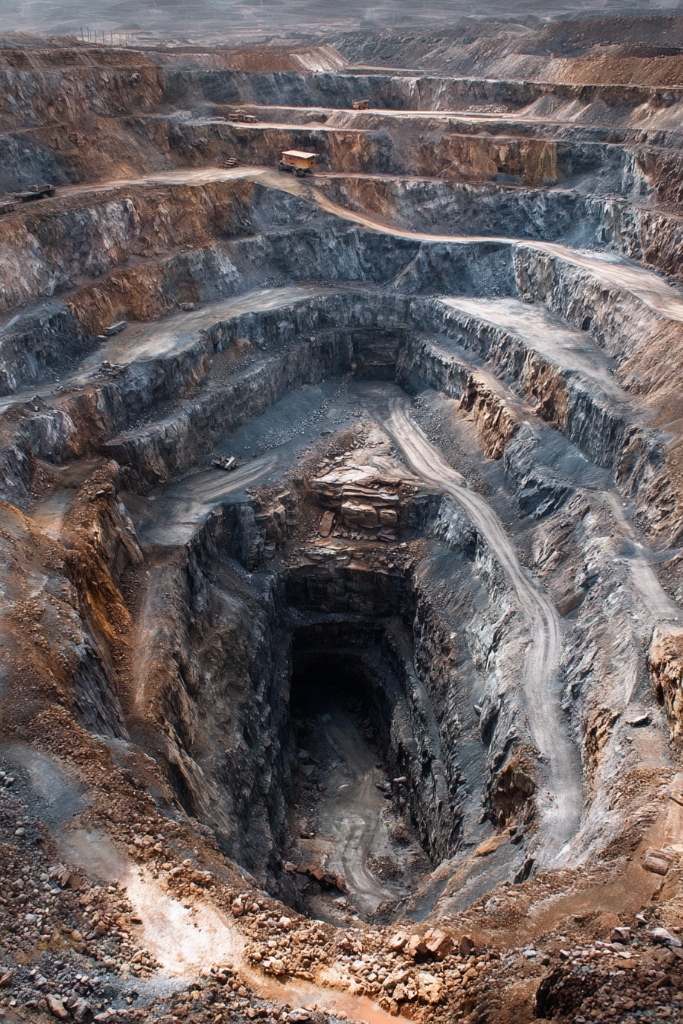
Despite its long history, the natural diamond industry has faced ongoing ethical and environmental challenges. It is estimated that more than 150 million carats of diamonds are mined globally each year, often through practices that cause irreversible damage to ecosystems. Extracting a single carat of a mined diamond can require the displacement of thousands of tons of earth, contributing to deforestation, soil erosion, and the destruction of wildlife habitats.
In many diamond-producing regions, mining communities continue to face unsafe working conditions, low wages, and limited labor protections. Although international regulations exist, diamonds with unclear or unverifiable origins still enter the global market each year. This raises ongoing concerns about the presence of so-called conflict or "blood" diamonds, which may have contributed to violence and human rights abuses.
Beyond social concerns, diamond mining is also highly energy-intensive, resulting in significant carbon emissions and water pollution. As awareness around sustainability and ethical sourcing grows, many consumers are questioning whether the beauty of a mined diamond justifies the social and environmental cost associated with its extraction.
What Are Lab Grown Diamonds?
Lab-grown diamonds are real diamonds created in advanced laboratories that replicate the natural diamond-forming environment found deep within the Earth.
Using innovative methods such as High Pressure High Temperature (HPHT) or Chemical Vapor Deposition (CVD), scientists grow diamonds that are chemically, physically, and optically identical to mined diamonds. While natural diamonds take billions of years to form, lab-grown diamonds are created in just a few weeks, resulting in a stone that is indistinguishable from its natural counterpart.
Crucially, lab-grown diamonds are produced without the environmental or ethical concerns associated with traditional diamond mining. No ecosystems are disrupted, no workers are placed at risk, and the overall carbon footprint is significantly reduced, particularly when clean energy sources are used. Choosing a lab-grown diamond means embracing modern technology, sustainability, and transparency, without compromising on beauty, quality, or value.
Are Lab Grown Diamonds Real Diamonds?
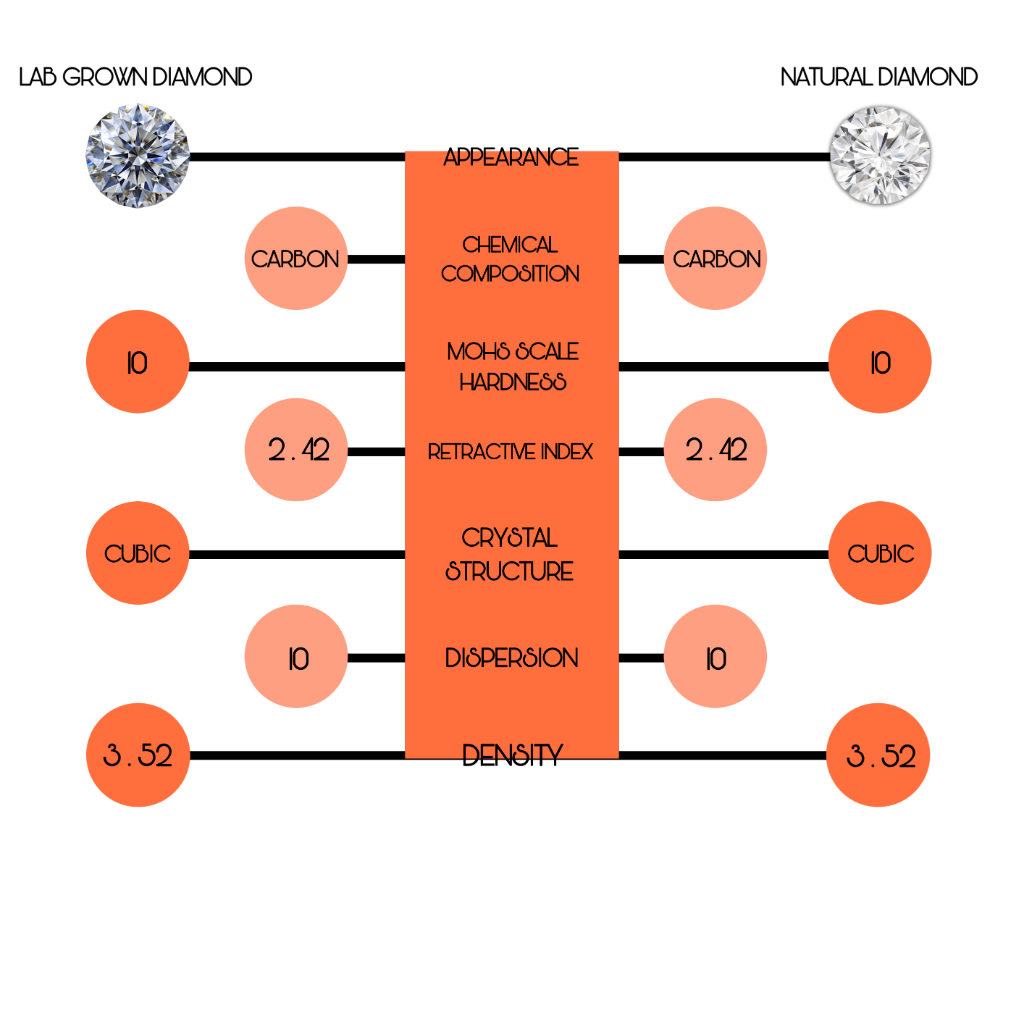
Yes, lab grown diamonds are 100% real diamonds. They have the exact same chemical composition, pure carbon, and crystal structure as natural diamonds. Which gives them the same hardness (10 on the Mohs scale), brilliance, and durability. They are graded by the same gemological institutes, like IGI or GIA, using the exact same 4 Cs: Carat, Color, Clarity, and Cut.
The only difference is origin, one is formed in the Earth, the other in a lab. To explain it simply: it's like comparing ice from a glacier with ice from your freezer, both are H₂O, just formed in different ways.
In contrast, simulants like cubic zirconia, moissanite, or Swarovski crystals may look similar at a glance, but are completely different materials with distinct chemical and optical properties. They are not real diamonds.
Why Choose Lab Grown Diamonds?
Lab grown diamonds offer a modern, ethical, and sustainable alternative to traditionally mined diamonds without compromising on beauty, quality, or brilliance. Grown using advanced technology that replicates the natural diamond-forming process, lab grown diamonds are chemically, physically, and optically identical to mined diamonds. The only difference is their origin.
By choosing lab grown diamonds, you're making a conscious decision to reduce environmental impact and avoid the ethical concerns associated with mining. Unlike traditional diamonds, which often come with a complex and opaque supply chain, lab grown diamonds are fully traceable, conflict-free, and created in controlled environments that use significantly fewer natural resources.
Not only are lab grown diamonds better for the planet, they also offer exceptional value. You receive a diamond of equal quality and beauty for a more accessible price point, allowing you to invest in a larger or higher-quality stone without exceeding your budget.
At Labelle, we pair our lab grown diamonds with 100% recycled 18k gold to ensure every piece is as thoughtful as it is timeless. Choosing lab grown isn't just a trend. It's a new standard for responsible luxury.
Lab Diamond Cost Comparison
One of the most significant advantages of choosing a lab-grown diamond is their affordability. Lab-grown diamonds typically cost 30-50% less than natural diamonds of comparable size, cut, colour, and clarity.
This price difference is primarily due to the shorter and more efficient supply chain. Mining natural diamonds is a costly and resource-intensive process involving exploration, extraction, sorting, and multiple intermediaries. Lab-grown diamond production, while technologically advanced, bypasses many of these steps.
What does this mean for you? It means you can often acquire a significantly larger or higher-quality lab-grown diamond for the same budget you might have allocated for a smaller or lower-quality natural diamond. This allows you to maximize the beauty and impact of your engagement ring without compromising your ethical values or financial comfort.
Do Lab-Grown Diamonds Test as Real Diamonds?
Yes, lab-grown diamonds test as real diamonds when using standard diamond testers. Most jewelers rely on handheld thermal conductivity testers to distinguish diamonds from simulants such as cubic zirconia or moissanite. Because lab-grown diamonds share the same thermal and electrical conductivity as natural diamonds, they will pass these tests without issue.
It's important to note that while basic diamond testers confirm that a stone is a real diamond, they cannot determine its origin. Specialized gemological equipment used in professional laboratories can distinguish lab-grown diamonds from natural diamonds by analyzing growth patterns and trace elements. This is how institutions such as GIA and IGI accurately identify and certify a diamond's origin on official grading reports.
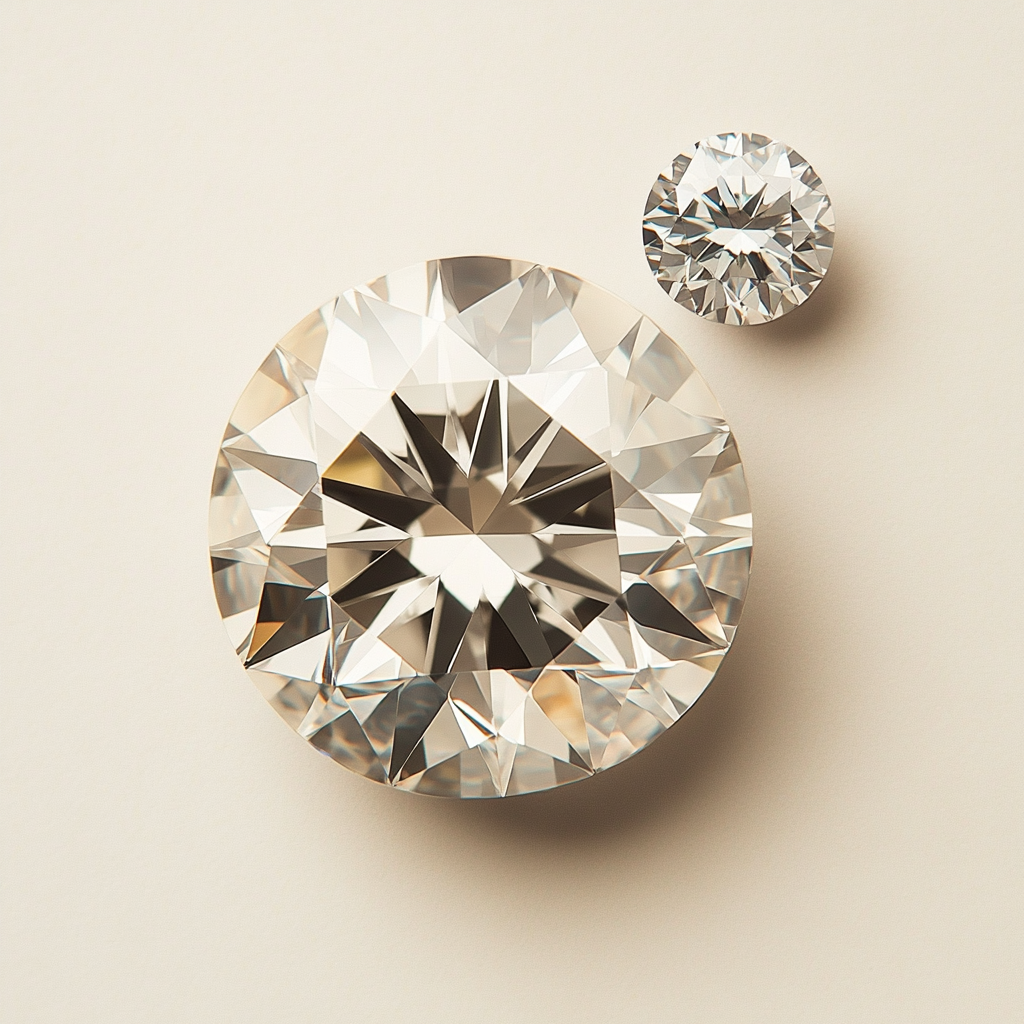
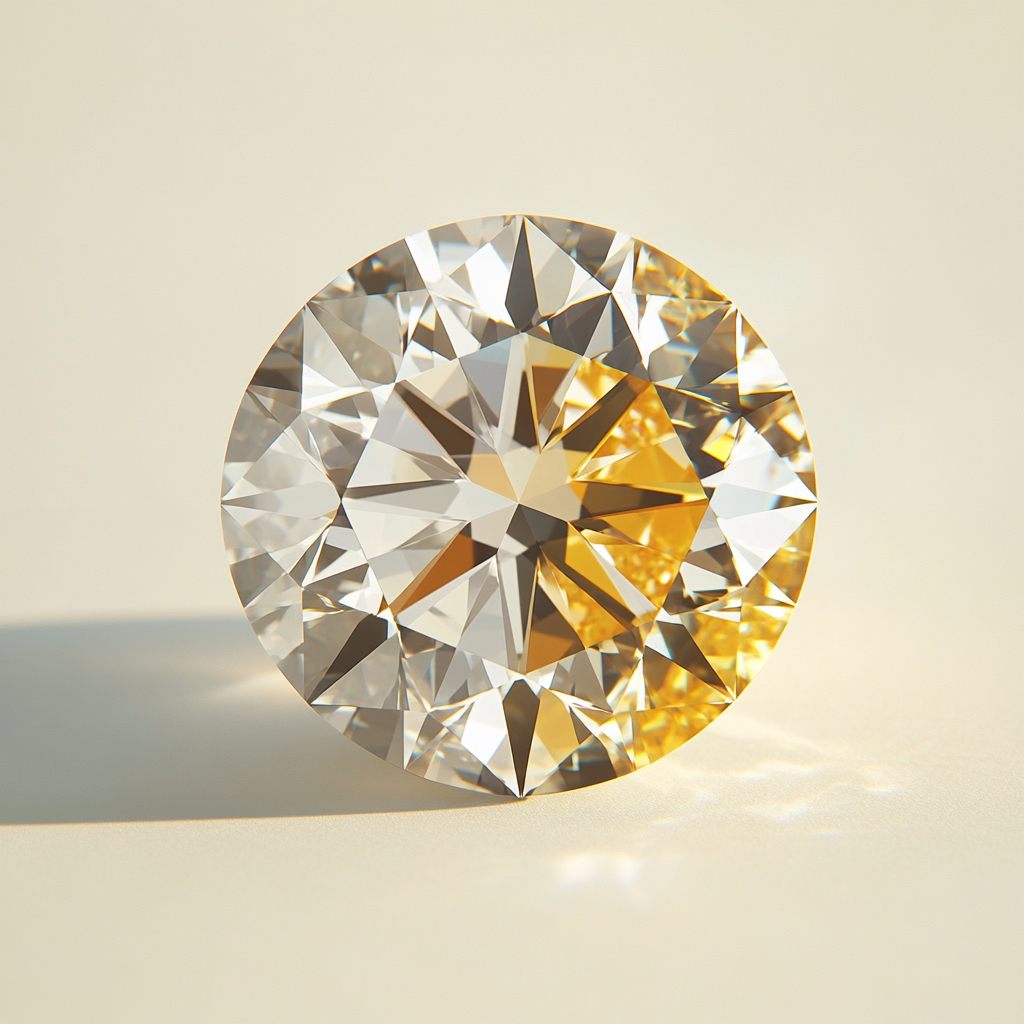
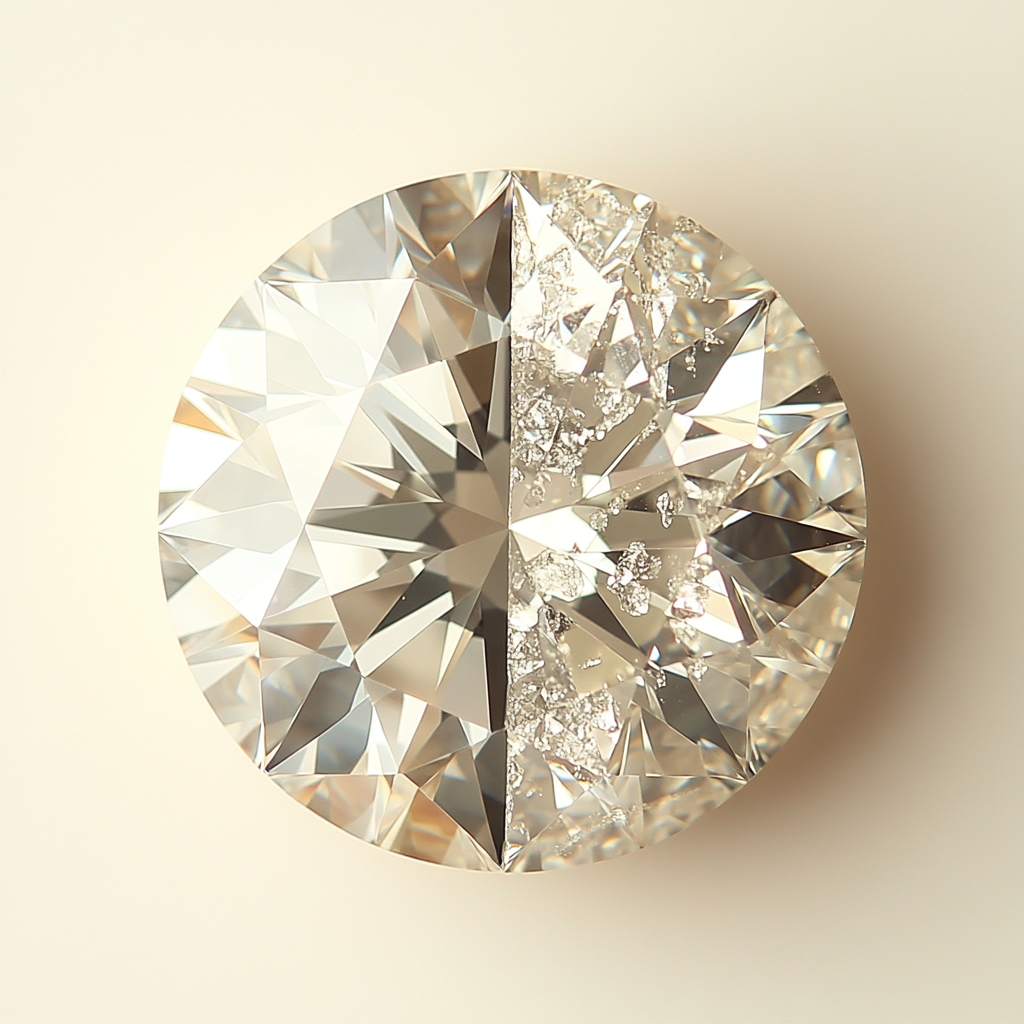
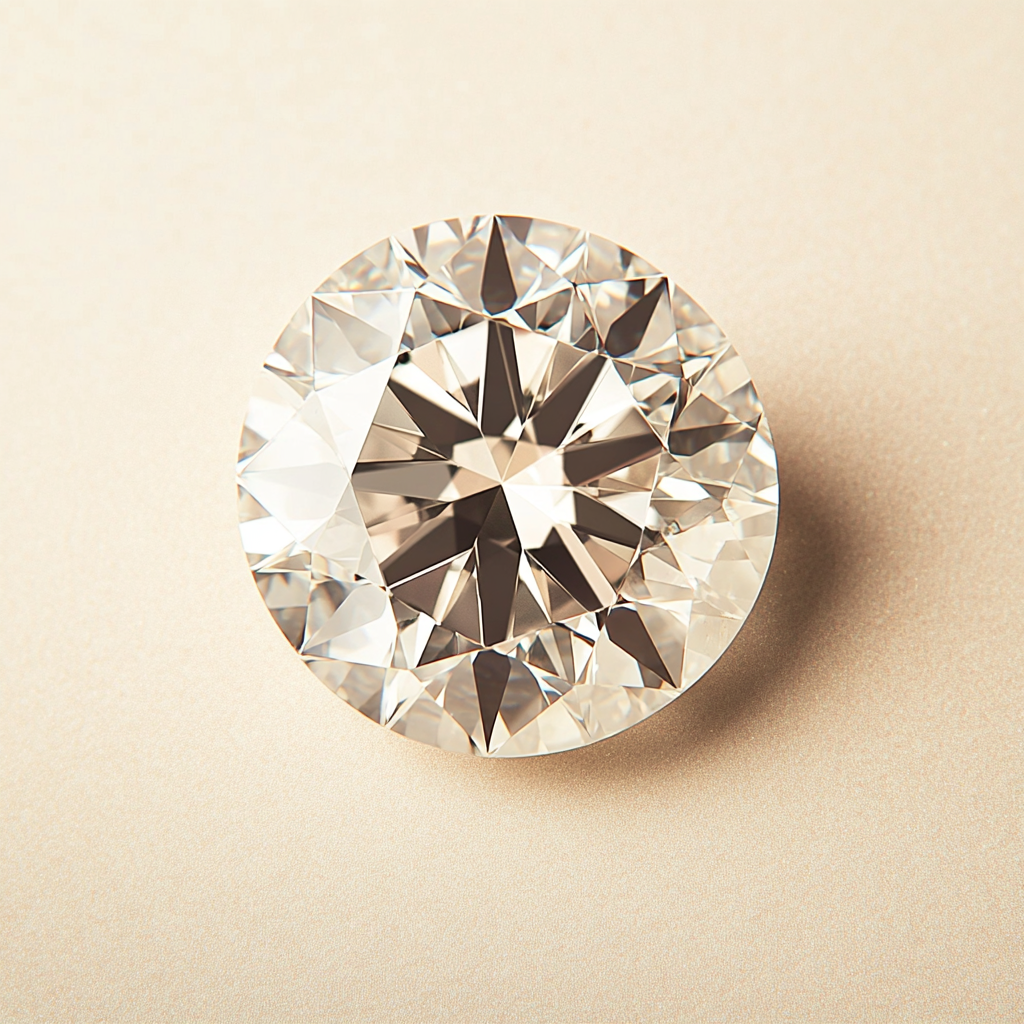
Understanding the 4Cs
Frequently Asked Questions
Yes, absolutely. Lab-grown diamonds are 100% real diamonds. They have the same chemical composition (pure carbon), crystal structure, and physical and optical properties as diamonds mined from the Earth. The only difference is their origin.
Visually, even a trained gemologist cannot tell the difference between a lab-grown diamond and a natural diamond without specialized equipment. Both appear identical to the naked eye. To determine a diamond's origin, gemological laboratories use advanced instruments that analyze growth patterns and trace elements within the stone. This is how institutions such as GIA and IGI are able to accurately identify whether a diamond is lab-grown or natural and state this clearly on grading reports.
No, lab-grown diamonds do not get cloudy or change their appearance over time. Like natural diamonds, they are made of pure carbon and are exceptionally durable. With normal wear and proper care, a lab-grown diamond will retain its brilliance, clarity, and sparkle for a lifetime.
While lab-grown diamonds offer exceptional value in terms of beauty and quality, they, like most diamonds, whether natural or lab-grown, when purchased at retail—should be viewed as a luxury purchase rather than a financial investment. The resale value of lab-grown diamonds is still evolving, just as it is for many natural diamonds bought at retail. The true "investment" lies in the emotional value, symbolism, and enjoyment of the piece, rather than in long-term financial return.
Lab-grown diamonds are more affordable primarily because of production efficiency and a shorter supply chain. Mining natural diamonds is highly resource-intensive and involves multiple intermediaries, extensive logistics, and significant environmental costs. In contrast, lab-grown diamonds are created in controlled laboratory environments, allowing for a more streamlined, transparent production process. This efficiency reduces overall costs, meaning consumers can purchase a diamond that is chemically and visually identical to a natural diamond, but at a lower price, without compromising on beauty or quality.
Lab-grown diamonds are certified by the same internationally recognised gemological institutes that grade natural diamonds, including the International Gemological Institute (IGI) and the Gemological Institute of America (GIA). These certification bodies evaluate lab-grown diamonds using the same 4Cs grading standards (Cut, Colour, Clarity, and Carat) and clearly state on the grading report that the diamond is laboratory-grown. At Labelle, every lab-grown diamond is accompanied by an IGI certificate, ensuring authenticity, verified quality, and complete transparency for each stone.
The only real difference between lab grown and natural diamonds is their origin. Natural diamonds are formed deep within the Earth over billions of years, while lab grown diamonds are created in a lab in just a few weeks using advanced technology that replicates the natural diamond-growing process.
Otherwise, both are identical in every meaningful way. They share the same chemical composition (pure carbon), have the same physical and optical properties, and both score a 10 on the Mohs scale for hardness, making them equally durable and brilliant.
Here's a side-by-side comparison:
| Feature | Lab Grown Diamond | Natural Diamond |
|---|---|---|
| Origin | Grown in a lab | Formed underground over billions of years |
| Chemical Composition | Pure carbon (C) | Pure carbon (C) |
| Brilliance & Sparkle | Identical | Identical |
| Ethical Sourcing | 100% traceable and conflict-free | May be linked to conflict or unclear origins |
| Environmental Impact | Lower (no mining required) | Higher (due to mining processes) |
| Price | Typically 30 to 50% more affordable | More expensive due to mining and rarity |
| Certification | Certified (IGI, GIA, etc.) | Certified (IGI, GIA, etc.) |
Lab grown diamonds offer a more ethical, sustainable, and cost-effective choice, without compromising on beauty or quality.
Ready to Find Your Perfect Diamond?
Use your newfound knowledge to explore our collection of ethically sourced, lab-grown diamonds, or speak with our experts for personalised guidance.