Radiant Cut Diamond Guide
A bold, brilliant hybrid cut offering exceptional sparkle with a modern edge. Combining the elegance of emerald cuts with the fire of brilliant cuts for the best of both worlds.
What is a Radiant Cut Diamond?
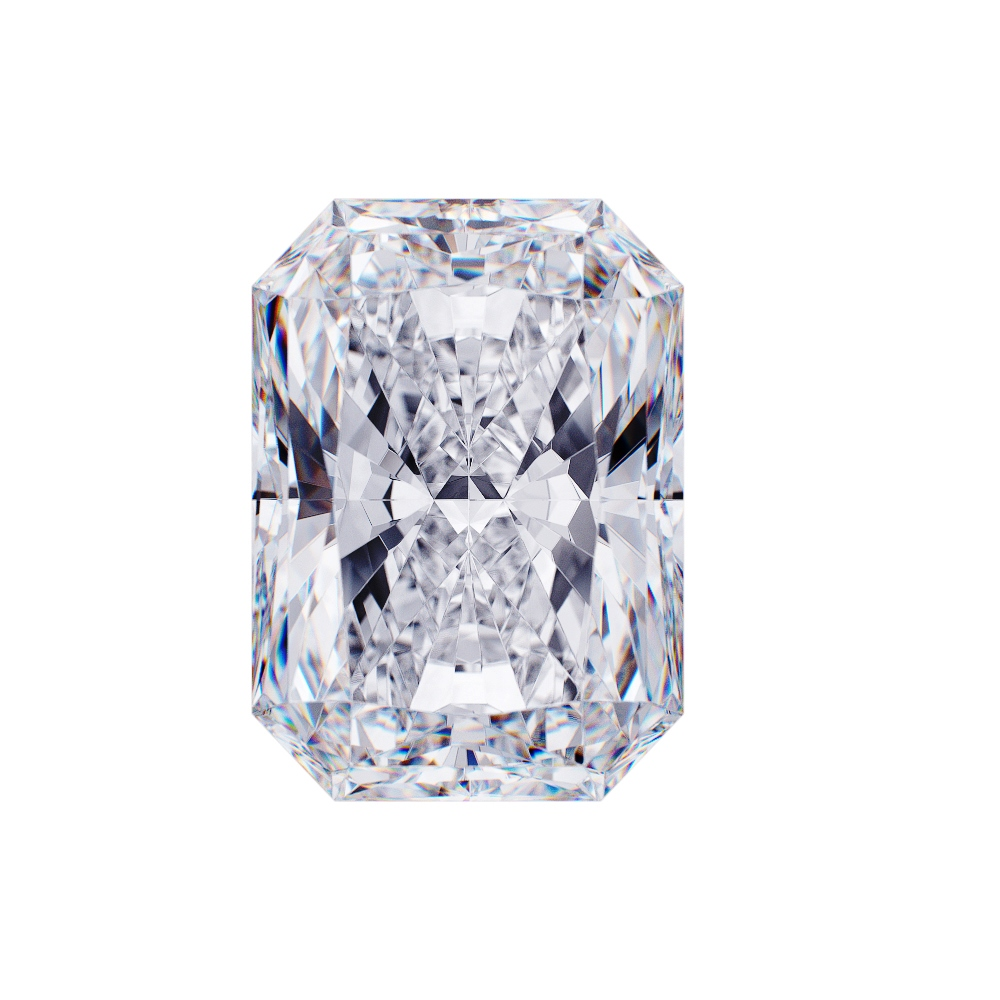
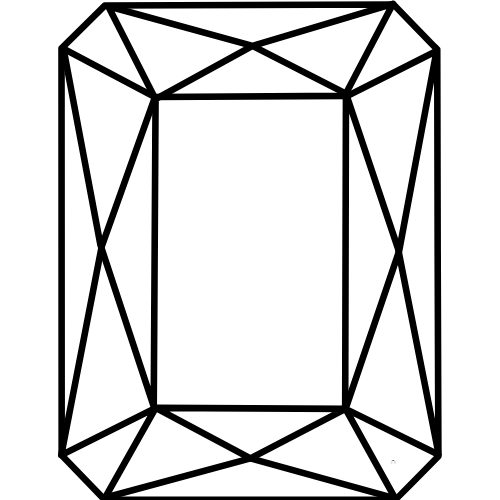
The radiant cut diamond is a rectangular or square-shaped diamond with cropped corners, featuring a revolutionary hybrid cutting style. Created in the 1970s, it combines brilliant-cut facets in the center with step-cut facets around the perimeter, delivering exceptional brilliance and fire.
With typically 70 facets, the radiant cut offers the sophisticated outline of emerald and Asscher cuts while providing the intense sparkle associated with round brilliant diamonds. This unique combination makes it perfect for those seeking both elegance and exceptional light performance.
The radiant's innovative faceting pattern creates a mesmerizing play of light, offering brilliance that rivals round diamonds with a distinctive, modern silhouette.
Why Choose a Radiant Diamond?
Advantages
- •Outstanding brilliance and fire with 70 facets
- •Durable design with protected corners
- •Versatile - works in both modern and vintage settings
- •Available in square or rectangular proportions
- •More affordable than round diamonds of similar quality
Considerations
- •May show bow-tie effect in some stones
- •Less traditional than classic cuts
- •Can appear smaller than emerald cuts of same carat
The History and Origin of the Radiant Cut
A Revolutionary Hybrid
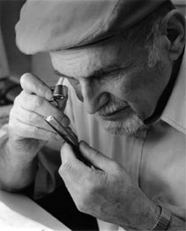
The radiant cut was invented in 1977 by Henry Grossbard, a master diamond cutter who spent over 30 years perfecting the technique. Grossbard's innovation was combining the elegance of emerald and Asscher cuts with the brilliance of round diamonds.
His patented design featuring 70 facets was revolutionary, creating the first rectangular brilliant cut diamond. The radiant quickly gained popularity for those who wanted a unique shape that didn't compromise on sparkle, becoming a symbol of modern sophistication.
Best Setting for Radiant Diamonds
Classic Solitaire
Simple four or six-prong setting that showcases the radiant's exceptional brilliance
- •Maximum light exposure
- •Timeless appeal
- •Focus on center stone
Halo Setting
Surrounding diamonds enhance the radiant's already impressive sparkle
- •Enhanced brilliance
- •Makes center stone appear larger
- •Glamorous appearance
Three-Stone Setting
Radiant center with complementary side stones for added significance
- •Symbolic meaning
- •Balanced design
- •Enhanced overall impact
Split Shank
Modern band that divides as it approaches the radiant center stone
- •Contemporary style
- •Added visual interest
- •Complements radiant's modern appeal
Which Do I Prefer?
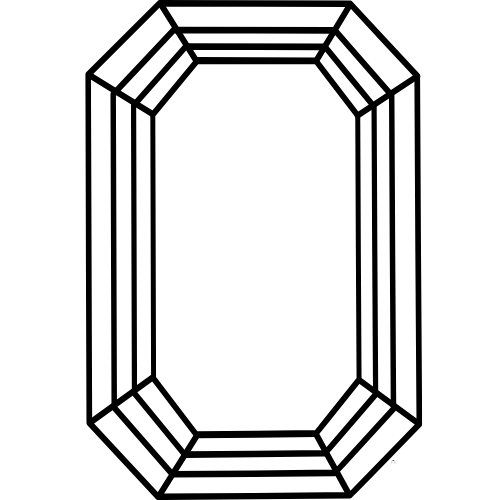
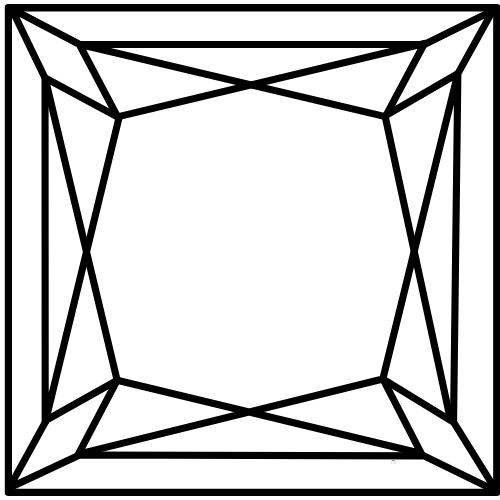
| Feature | Radiant Cut | Emerald Cut | Princess Cut |
|---|---|---|---|
| Facet Style | Brilliant-cut with step-cut corners | Step-cut facets throughout | Brilliant-cut facets throughout |
| Shape | Rectangular/square with cropped corners | Rectangular with cropped corners | Square with sharp corners |
| Light Performance | Exceptional brilliance and fire | Elegant hall-of-mirrors flashes | High brilliance with sharp sparkle |
| Appearance | Modern, bold, versatile | Sophisticated, vintage, elegant | Contemporary, geometric, striking |
 |  |  |
Choose Radiant if: You want exceptional brilliance with a modern, versatile shape and durable cropped corners.
Choose Emerald if: You prefer sophisticated vintage elegance with a hall-of-mirrors effect and understated glamour.
Choose Princess if: You love contemporary geometric style with brilliant sparkle and a striking square silhouette.
Expert Tips for Choosing a Radiant Cut
Length-to-Width Ratio
The length-to-width ratio is one of the most important decisions when selecting a radiant cut diamond, as it determines whether the stone appears square or rectangular. For a square radiant, aim for a ratio between 1.00 and 1.05 — anything within this range will appear balanced and symmetrical to the eye. For an elongated rectangular radiant, ratios between 1.15 and 1.35 are considered the most elegant, offering a flattering shape that elongates the finger without appearing too narrow. Ratios above 1.40 can start to look stretched, particularly in smaller carat sizes. When deciding between square and rectangular, consider the wearer's hand shape and personal style — square radiants deliver a bold, modern statement, while elongated versions offer a more classic, graceful silhouette.
Choosing the Right Setting
The radiant cut's versatile shape and exceptional brilliance make it compatible with a wide range of settings, but some designs showcase its strengths better than others. A classic solitaire with four prongs allows maximum light to enter from every angle, letting the radiant's 70 facets do their full work. Halo settings are another popular choice, as the surrounding ring of smaller diamonds amplifies the radiant's already impressive sparkle and creates a more substantial overall look. For those who prefer something more contemporary, a split-shank or tension-style setting beautifully complements the radiant's modern heritage. Because the radiant's cropped corners are inherently durable, you have more flexibility with setting styles than you would with sharp-cornered shapes like the princess cut.
Facet Pattern and Light Performance
Radiant cuts can have varying facet arrangements depending on how the diamond was cut, and these differences significantly affect the stone's visual character. Some radiants feature a more crushed-ice appearance with many small, scattered light reflections, while others display broader, more defined flashes of brilliance similar to a round brilliant. Neither pattern is inherently better — it comes down to personal preference. When evaluating a radiant diamond, look for consistent light return across the entire surface of the stone, with no dark or lifeless areas near the corners or centre. A well-cut radiant should display vibrant sparkle when viewed face-up, with an even distribution of white light (brilliance) and colourful flashes (fire) that makes the stone come alive in any lighting condition.
Colour and Clarity Guidance
One of the radiant cut's greatest practical advantages is its ability to mask both colour and inclusions remarkably well, thanks to its complex brilliant faceting pattern. The 70 facets break up light so effectively that minor inclusions become virtually invisible, meaning a VS2 clarity grade will almost always appear perfectly eye-clean — offering significant savings compared to higher grades without any visual compromise. For colour, G or H grades represent the sweet spot for white gold and platinum settings, providing a bright, colourless appearance at an excellent value. If you're setting your radiant in yellow or rose gold, you can comfortably choose I or even J grades, as the warm metal tone naturally complements any subtle warmth in the diamond. In larger carat sizes above 2.00ct, consider stepping up one grade in both colour and clarity, as tints and inclusions become slightly more visible as the stone's surface area increases.
Frequently Asked Questions
A radiant cut diamond is a rectangular or square-shaped diamond with cropped corners, featuring a hybrid cutting style that combines brilliant-cut facets in the center with step-cut facets around the edges. This unique combination, created in the 1970s, delivers exceptional brilliance and fire while maintaining the sophisticated outline of emerald and Asscher cuts.
Radiant cuts offer more brilliance than emerald cuts due to their brilliant faceting, while emerald cuts provide elegant, subtle flashes. Compared to princess cuts, radiants have cropped corners making them more durable, though princess cuts may appear slightly larger. Radiants essentially bridge the gap between the elegance of step cuts and the sparkle of brilliant cuts.
Pros include exceptional brilliance rivaling round diamonds, durable cropped corners, versatility in both modern and vintage settings, and typically better value than rounds. Cons include potential bow-tie effects in some stones, less traditional appeal than classic cuts, and they may appear smaller than elongated cuts of the same carat weight.
Absolutely! At Labelle, we specialize in creating custom radiant cut engagement rings tailored to your preferences. Choose from square or elongated radiant diamonds, select from various setting styles, metals, and accent stones. Our expert designers will work with you to create a unique piece that perfectly captures your vision.
Radiant cuts are incredibly versatile and work beautifully in many settings. Classic solitaires showcase their brilliance, halos enhance their sparkle, three-stone settings add significance, and modern split-shank designs complement their contemporary appeal. The cropped corners make them suitable for both protective and open settings.
Design Your Perfect Radiant Cut Ring
Create a bespoke radiant cut engagement ring that captures the perfect balance of modern brilliance and timeless elegance. Our expert designers will help you craft a unique piece that reflects your personal style.