Diamond Cut Guide
Discover why cut is the most important factor in a diamond's beauty. Learn how proper proportions, symmetry, and polish create the brilliance and fire that makes diamonds sparkle.
What is Diamond Cut?
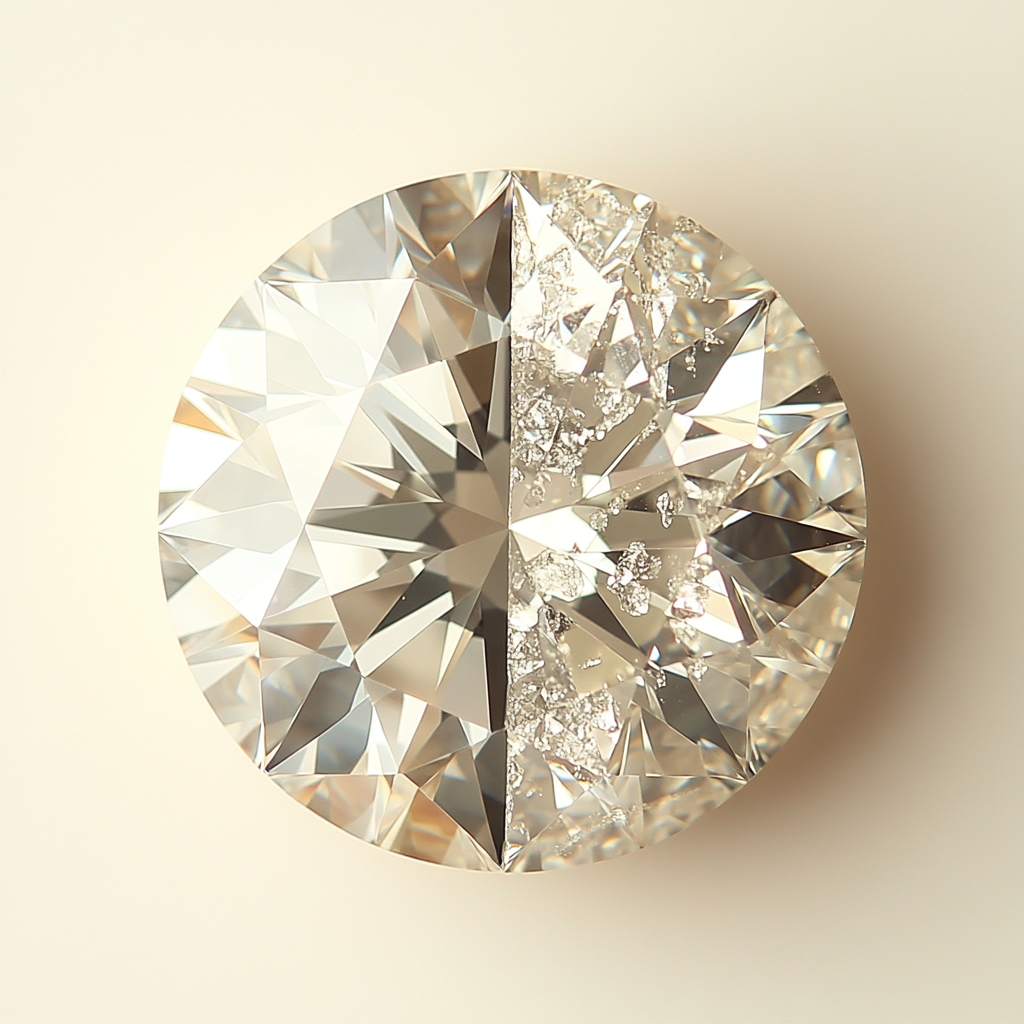
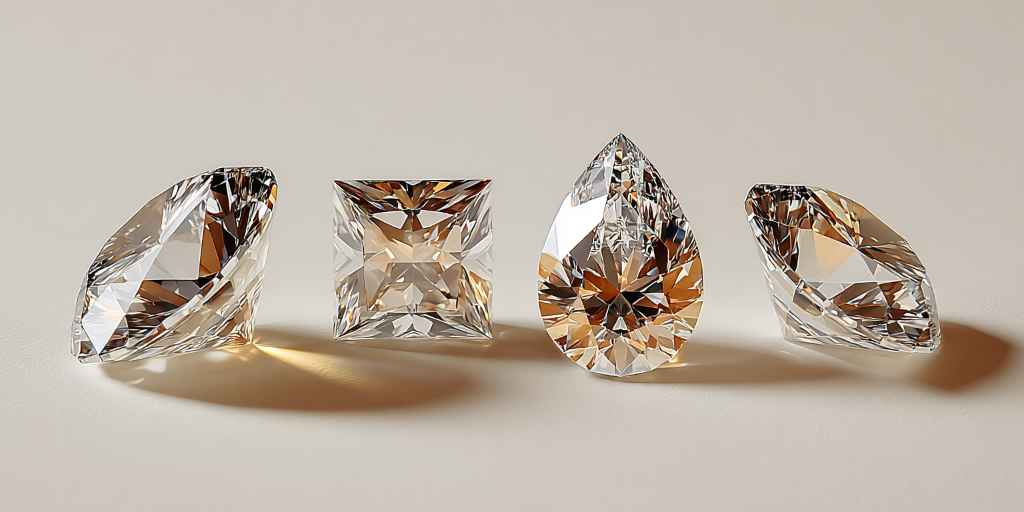
Diamond cut refers to how well a diamond's facets interact with light. It is not about the shape (round, oval, etc.) but rather the quality of the diamond's proportions, symmetry, and polish. As most experts would agree, cut is the most important characteristic to consider when choosing a diamond, because it has the greatest impact on a diamond's beauty. Even a stone with perfect colour and clarity will appear dull and lifeless if it is poorly cut.
The highest cut grade for natural diamonds is Excellent as graded by GIA, while for lab grown diamonds it is Ideal as graded by IGI. Diamonds that achieve these top grades are crafted with the most precise angles, symmetry, proportions and balance of facets, along with the finest polish that a highly skilled diamond cutter can accomplish. This level of precision means the diamond reflects light perfectly, so that the radiance, fire and sparkle of the stone is at its absolute best.
Centuries of study and experimentation have deepened our scientific understanding of how light reflects and refracts within diamond crystals. Today, this knowledge allows us to maximise a diamond's natural brilliance through cutting with extremely precise measurements, ensuring every facet works together to create that breathtaking sparkle.

How Cut Affects Brilliance and Fire

Brilliance
The white light that reflects from the diamond's surface and interior. Proper cut proportions ensure maximum light return to your eye.
Fire
The colourful flashes of light (dispersion) created when white light separates into rainbow colours as it passes through the diamond.
Scintillation
The pattern of light and dark areas and the flashes of light you see when the diamond, light source, or observer moves.
Understanding Cut Grades
Professional gemological laboratories grade diamond cut quality from Excellent to Poor. Here's what each grade means for your diamond's appearance.
Excellent
Top 3%Maximum brilliance and fire. Reflects nearly all light that enters the diamond.
Very Good
Top 15%Reflects most light. Excellent value with minimal difference to Excellent.
Good
Top 25%Reflects most light. Good value but noticeably less brilliant.
Fair
Top 35%Reflects some light. Not recommended for engagement rings.
Poor
Bottom 65%Reflects little light. Appears dull and lacks sparkle.
What Determines Cut Quality?
Proportions
The relationship between the diamond's dimensions affects how light travels through it.
Ideal proportions ensure light enters the diamond and reflects back to your eye, creating maximum brilliance.
Symmetry
How precisely the facets align and meet affects the diamond's overall appearance.
Poor symmetry can cause light to leak out of the sides and bottom, reducing sparkle.
Polish
The quality of the diamond's surface finish impacts how light reflects.
Excellent polish creates mirror-like facets that maximize light reflection and brilliance.
Our Expert Recommendation
We recommend choosing an Excellent or Very Good cut grade for maximum brilliance and fire. These grades represent exceptional value and ensure your diamond will sparkle beautifully for a lifetime.
Quick Cut Tips
Prioritize Cut Over Other Cs
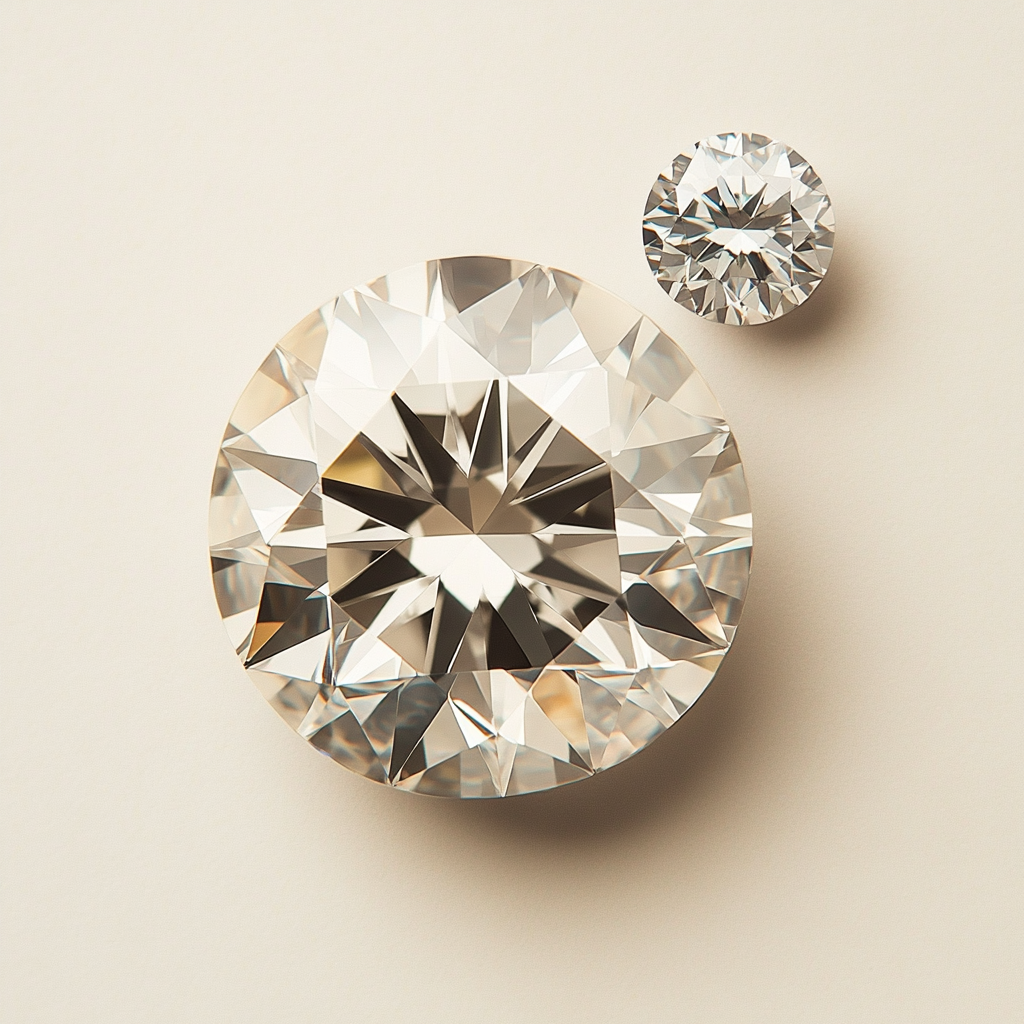
A well-cut diamond will appear larger and more brilliant than a poorly cut diamond of higher carat weight.
Look for Certification
Always choose diamonds with cut grades certified by reputable labs like GIA or AGS.
Avoid Fair and Poor Cuts
These grades sacrifice beauty for carat weight and will appear noticeably less brilliant.
Don't Compromise on Cut
A smaller, well-cut diamond will always look better than a larger, poorly cut one.