Heart Shaped Diamond Guide
Symbolic and romantic, the heart cut offers a striking way to show your love. A bold and distinctive choice with plenty of brilliance.
What is a Heart Shaped Diamond?
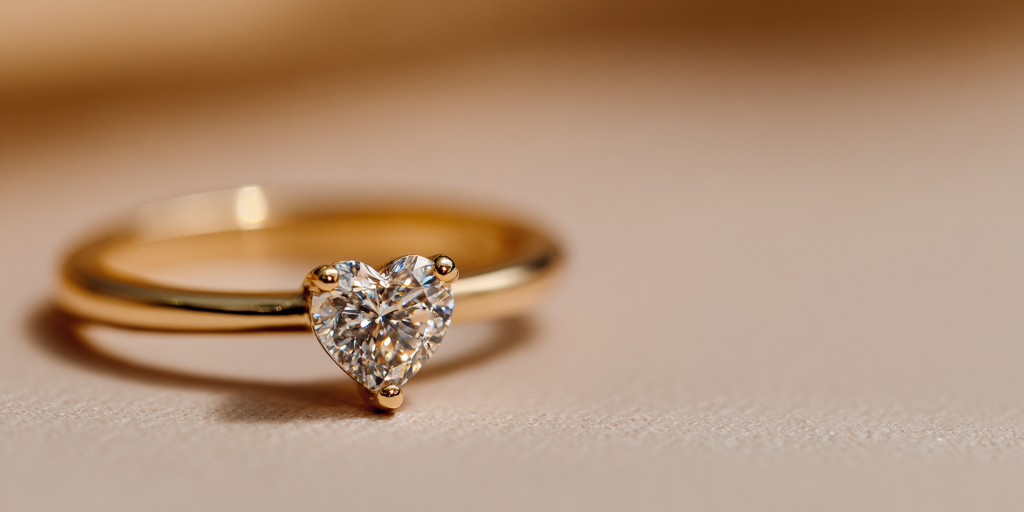
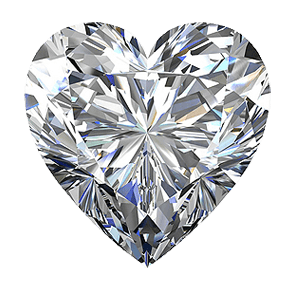
A heart shaped diamond is a modified brilliant cut known for its unmistakable silhouette. Loved for its romantic symbolism, the heart shape is a popular choice for those wanting to express deep emotional connection.
It typically features 56–58 facets, creating sparkle comparable to round or oval diamonds. Precision in symmetry and proportion is critical to its beauty.
The heart shape is an iconic representation of love, making it a deeply meaningful choice for an engagement ring or special gift.
Why Choose a Heart Diamond?
Advantages
- •Universally associated with love and sentiment.
- •Less common than other shapes, making it feel more personal and custom.
- •The brilliant cut offers strong fire and brilliance.
- •Especially striking in solitaire or bezel settings.
Considerations
- •Due to the cleft and point, inclusions are more visible – choose a higher clarity.
- •The shape must be perfectly balanced on both sides of the cleft to look right.
- •The pointed tip should be protected in a secure setting like a V-prong to avoid chipping.
- •For ideal visual impact, we recommend at least 0.50ct.
The History and Origin of the Heart Cut
Symbol of Romance Through Ages
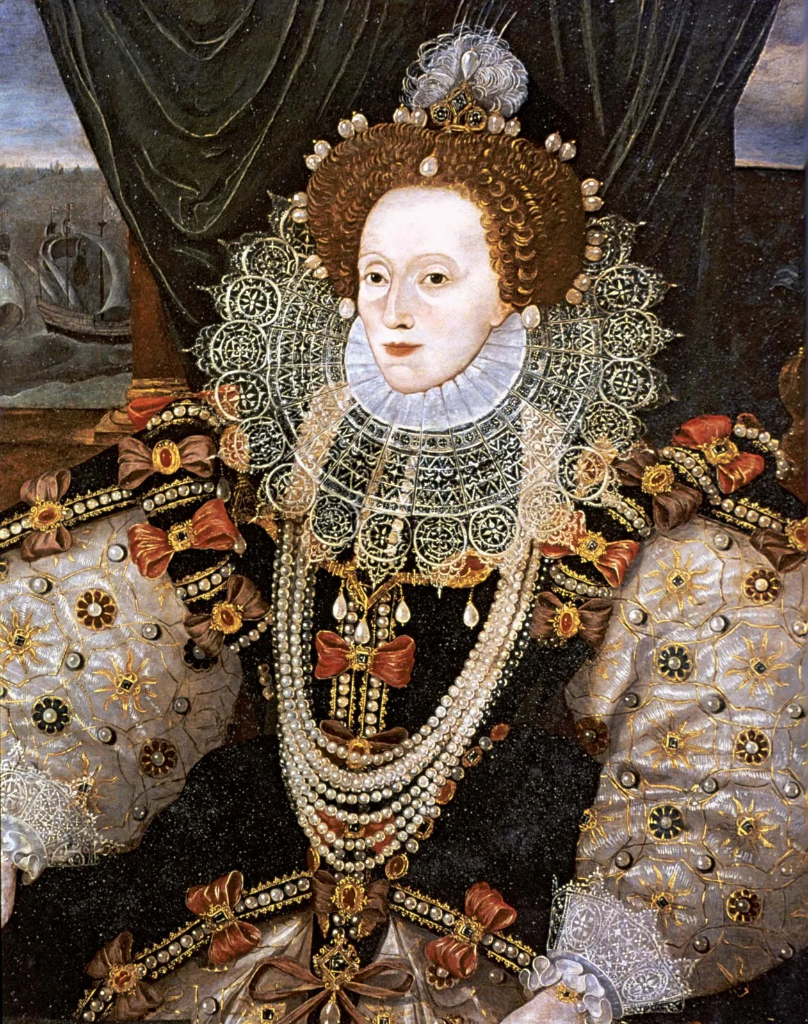
The heart-shaped diamond dates back to at least 1463, when it was mentioned in a letter from Galeazzo Maria Sforza describing a heart-shaped diamond. By the 16th century, Mary Queen of Scots famously sent a heart-shaped diamond ring to Queen Elizabeth I as a token of friendship.
The modern heart cut evolved from the pear shape, requiring exceptional skill to achieve perfect symmetry. Today, it remains the ultimate symbol of love and devotion, chosen by romantics who want their engagement ring to clearly declare their feelings.
Best Settings for Heart Diamonds
Solitaire with V-prongs
Classic setting where V-shaped prongs protect the pointed tip, showcasing the heart's unique outline.
- •Maximum brilliance
- •Secure point protection
- •Timeless appeal
Bezel Setting
A modern choice where a metal rim fully encases the diamond, offering excellent protection and a sleek look.
- •Contemporary style
- •Ultimate protection
- •Highlights shape
Halo Setting
Surrounding the heart diamond with smaller accent diamonds to enhance its size and sparkle.
- •Increased perceived size
- •Added brilliance
- •Romantic feel
Toi et Moi Setting
Artistic settings pairing the heart with another diamond or gemstone, symbolizing two souls.
- •Unique and personal
- •Symbolic representation
- •Artistic flair
Choosing the right setting not only enhances the beauty of your heart diamond but also ensures its safety, especially for the delicate pointed tip.
Expert Tips & Advice
Symmetry is Everything
Symmetry is the single most important factor when evaluating a heart shaped diamond, and even slight imbalances can dramatically affect how the stone looks on the finger. The two lobes — the rounded halves at the top of the heart — must be identical in size, height, and curvature, creating a perfectly mirrored silhouette. The cleft, which is the V-shaped indentation between the lobes, should be sharp, clearly defined, and centred exactly between the two halves. If one lobe is even marginally larger or more rounded than the other, the heart will appear lopsided and the romantic appeal of the shape is lost. When examining a heart diamond, view it from directly above and compare both sides carefully. At Labelle, we hand-select every heart diamond to ensure flawless symmetry that does justice to this deeply symbolic shape.
Protect the Point
The pointed tip at the bottom of the heart is the most vulnerable part of the diamond, and protecting it properly is essential for a ring that will be worn every day. Diamond, while the hardest natural material, can still chip at thin, exposed points — and the heart's delicate tip is particularly susceptible to impact. A V-prong setting is specifically engineered to cradle and shield this point, wrapping securely around the tip without obscuring the heart's beautiful outline. For those who want even more protection, a full bezel setting encases the entire perimeter of the diamond in a smooth band of metal, offering maximum security while giving the ring a sleek, contemporary look. Whichever setting you choose, ensuring the point is properly secured means your heart diamond will remain perfect through years of daily wear.
Minimum Size Recommendation
Unlike simpler shapes such as round or oval, the heart cut requires a certain minimum size for its distinctive silhouette to be clearly visible and appreciated. We recommend choosing a heart diamond of at least 0.50 carats — and ideally 0.70 carats or above — to ensure the shape reads unmistakably as a heart rather than a generic rounded stone. In smaller sizes, the cleft between the lobes can appear too shallow and the overall outline becomes ambiguous, diminishing the emotional impact that makes this cut so special. Larger heart diamonds, particularly those above 1.00 carat, display the shape most dramatically, with well-defined lobes, a clear cleft, and an elegant pointed tip that together create a truly striking presentation on the finger.
Colour and Clarity Guidance
The heart diamond's broad, open table and brilliant faceting pattern mean that both colour and clarity deserve careful attention when making your selection. For clarity, the heart's wide face-up area can make inclusions more visible than in shapes with more complex faceting, so we recommend VS1 or higher for a confidently eye-clean appearance. Pay particular attention to inclusions near the cleft and along the centre of the stone, as these are the most noticeable positions. For colour, G or H grades provide a beautifully white appearance in white gold or platinum settings, while I or J grades work wonderfully in yellow or rose gold where the warm metal tone naturally complements any subtle warmth in the diamond. In carat sizes above 1.50ct, consider stepping up one grade in both colour and clarity, as the larger surface area can make tints and imperfections slightly more apparent.
Which Do I Prefer?
| Feature | Heart Cut | Pear Cut | Marquise Cut |
|---|---|---|---|
| Facet Style | Brilliant-cut facets | Brilliant-cut facets | Brilliant-cut facets |
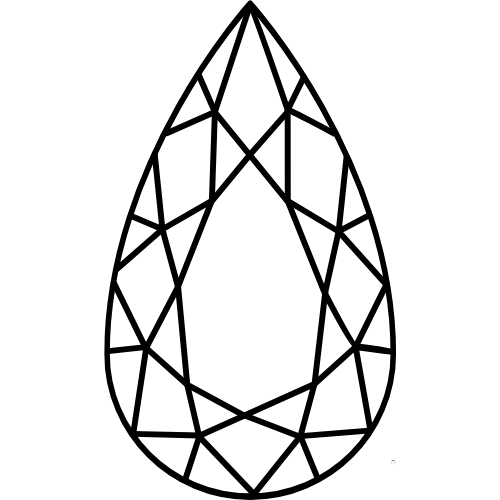
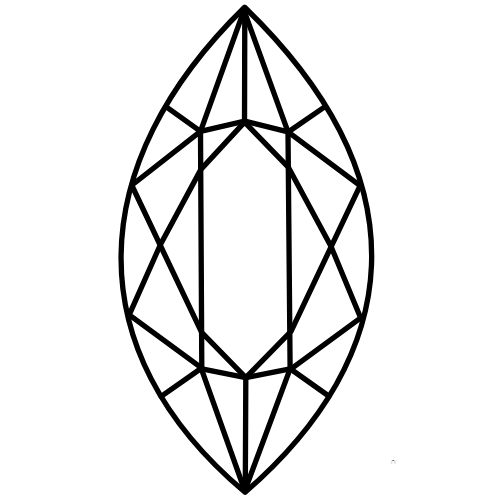
| Shape | Romantic heart silhouette | Teardrop with rounded end and point | Elongated with two pointed ends |
| Light Performance | Beautiful sparkle with romantic appeal | Excellent brilliance and fire | Exceptional brilliance, elongates finger |
| Appearance | Romantic, symbolic, distinctive | Elegant, unique, flattering | Dramatic, elongated, vintage |
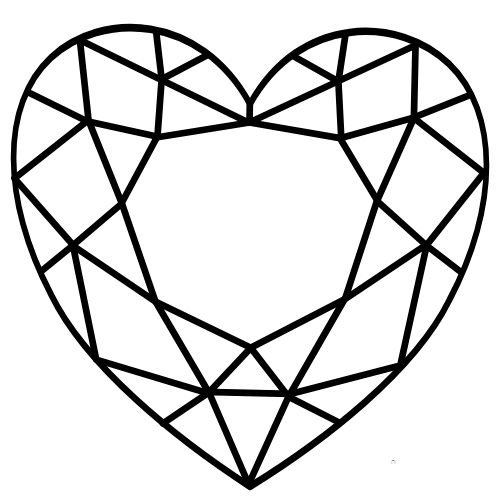 |  |  |
Choose Heart if: You desire the ultimate romantic symbol with a distinctive and meaningful shape.
Choose Pear if: You love the elegant teardrop shape that elongates the finger and offers unique sophistication.
Choose Marquise if: You want maximum finger elongation with dramatic pointed ends and vintage royal glamour.
Frequently Asked Questions
A heart shaped diamond is the ultimate symbol of love, romance, and deep emotional connection. Its distinctive shape makes it a clear and powerful declaration of affection, making it a very popular choice for engagement rings and anniversary gifts.
Yes, heart diamonds can be a good choice for daily wear, provided they are set securely. The pointed tip is the most vulnerable part, so settings with V-prongs or bezel settings are highly recommended to protect it from chipping or snagging during everyday activities.
A well-cut heart diamond will exhibit excellent symmetry – the two lobes should be identical in size and shape, and the cleft (the inward V at the top) should be sharp and distinct. The overall outline should be pleasing and not too narrow or too wide. Good brilliance and minimal bow-tie effect (a dark area across the center) are also indicators of a quality cut.
Settings that offer protection to the pointed tip are best. A V-prong setting is specifically designed to securely hold and protect the point. Bezel settings, which encircle the entire diamond, also provide excellent protection. Halo settings can also offer some protection while enhancing the stone's appearance.
Heart shaped diamonds can sometimes be slightly more expensive per carat than some other fancy shapes like ovals or pears, due to the skill required to cut them precisely and the amount of rough diamond that might be lost in the process. However, they are often less expensive than round brilliant diamonds of similar size and quality.
Discover Our Heart Diamond Collection
Explore our carefully curated selection of heart diamond engagement rings, from timeless solitaires to stunning halos, each crafted with exceptional lab-grown diamonds and recycled 18k gold.