Diamond Clarity Guide
Understand how internal characteristics (inclusions) and surface features (blemishes) affect a diamond's rarity, beauty, and value.
What is Diamond Clarity?
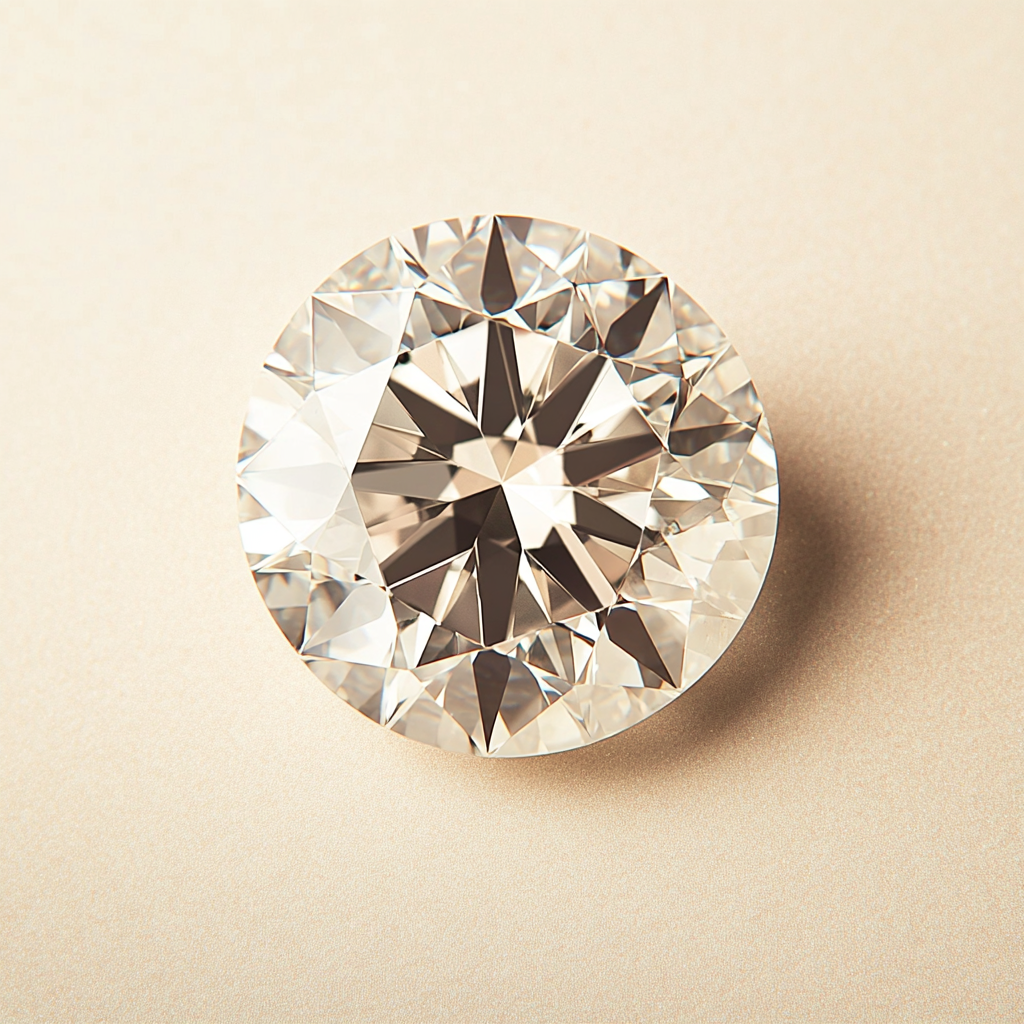
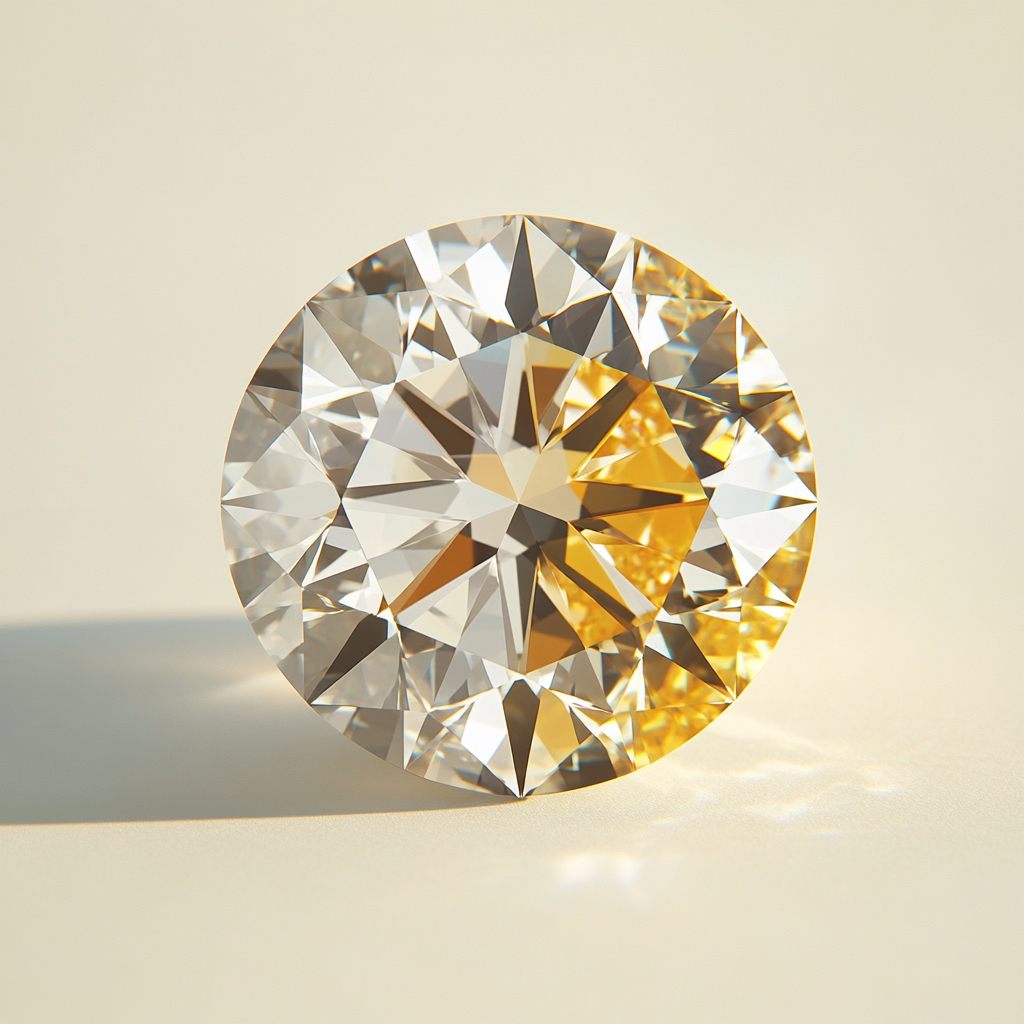
Diamond clarity is a measure of the purity and rarity of the stone, graded by the visibility of characteristics called inclusions (internal flaws) and blemishes (external flaws) under 10x magnification. Whether natural or lab grown, almost all diamonds contain some form of these internal marks or surface blemishes. They are like a diamond's unique fingerprints, formed during the intense conditions of its creation.
The vast majority of these characteristics are microscopic and do not affect the diamond's beauty or durability in any way. However, it is incredibly rare to find a diamond that is completely free of inclusions. Those that are, are known as flawless diamonds. The closer a diamond is to flawless, the higher its clarity grade, the rarer it becomes and the greater its value.
For most people, the goal is to find what is known as an "eye clean" diamond, where any inclusions present are not visible to the naked eye. This allows you to enjoy a beautiful, brilliant stone without paying the premium that comes with the very highest clarity grades.
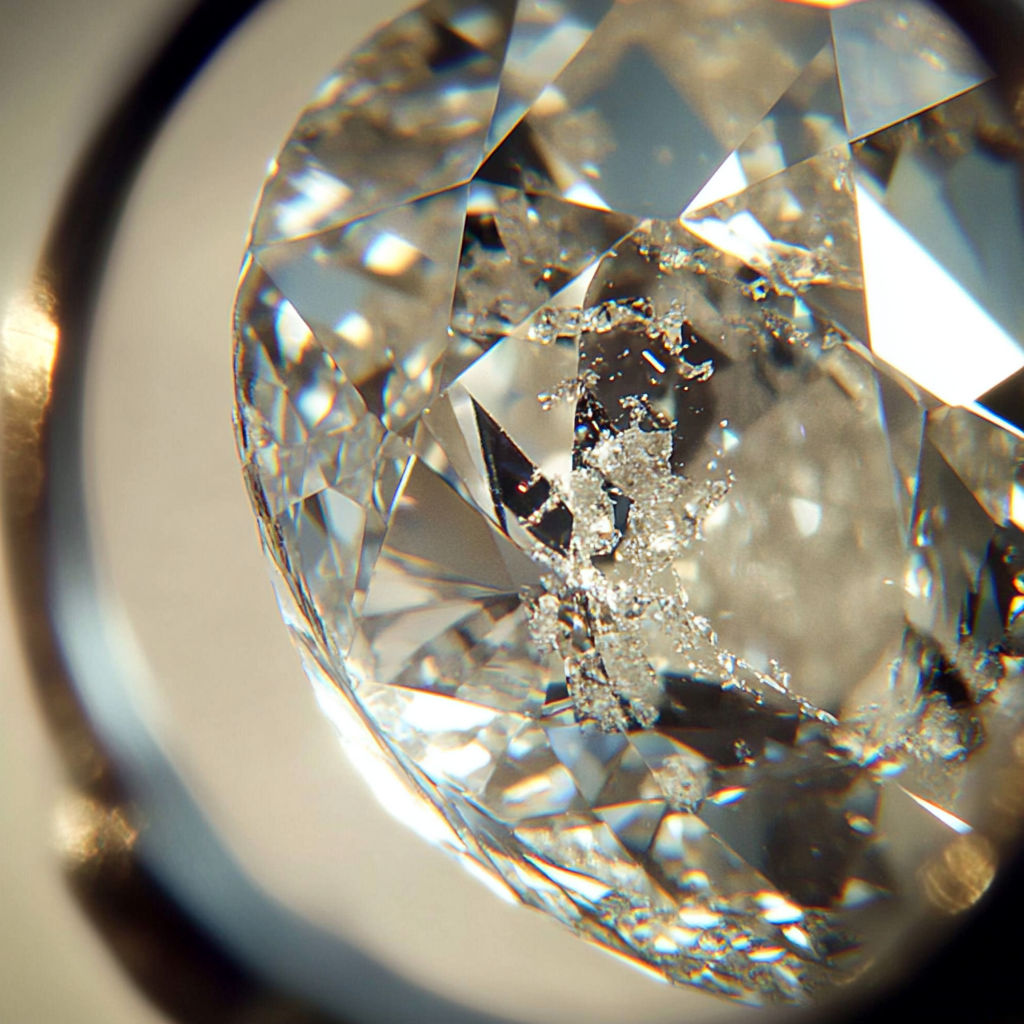
Diamonds are graded under 10x magnification.
The Diamond Clarity Grading Scale (GIA)
The GIA (Gemological Institute of America) clarity scale is the industry standard, ranging from Flawless (FL) to Included (I3).
FL (Flawless)
No inclusions or blemishes visible to a skilled grader using 10x magnification.
IF (Internally Flawless)
No inclusions visible under 10x magnification. Only insignificant surface blemishes.
VVS1 / VVS2 (Very, Very Slightly Included)
Minute inclusions that are very difficult for a skilled grader to see under 10x magnification.
VS1 / VS2 (Very Slightly Included)
Minor inclusions that are difficult to somewhat easy for a skilled grader to see under 10x magnification. Typically eye-clean.
SI1 / SI2 (Slightly Included)
Noticeable inclusions that are easy for a skilled grader to see under 10x magnification. May or may not be eye-clean.
I1 / I2 / I3 (Included)
Obvious inclusions under 10x magnification which may affect transparency and brilliance, often visible to the naked eye.
Common Inclusions & Blemishes

Diamond clarity plots on grading reports map the type and location of significant inclusions.
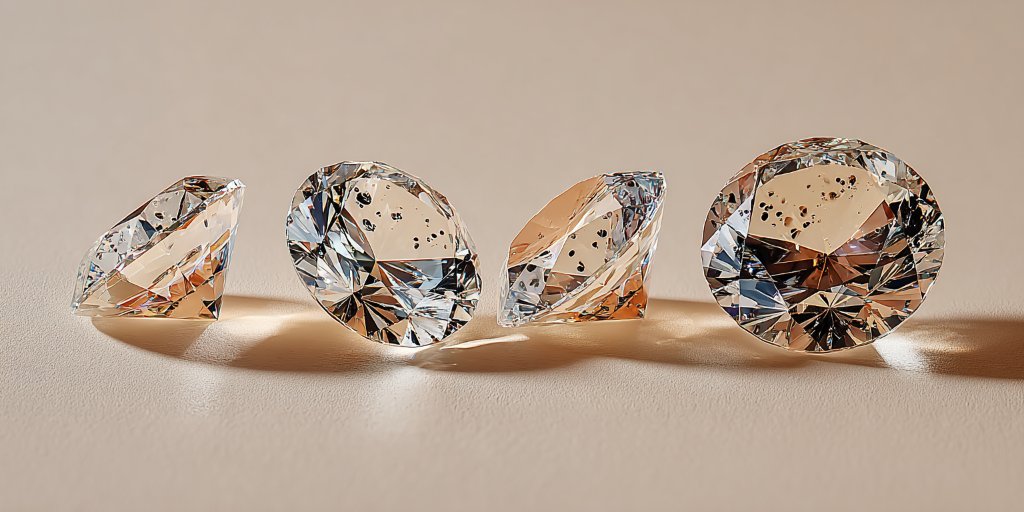
Types of Inclusions (Internal)
- Crystals: Mineral crystals embedded within the diamond.
- Feathers: Small internal cracks or fractures, often resembling feathers.
- Clouds: Hazy areas caused by clusters of tiny pinpoints or crystals.
- Pinpoints: Minute crystals that look like tiny dots at 10x magnification.
- Needles: Thin, elongated crystals that look like tiny needles.
- Twinning Wisps: A series of pinpoints, clouds, or crystals that formed during diamond growth.
Types of Blemishes (External)
- Scratches: Fine lines on the diamond's surface.
- Nicks: Small chips, usually on a facet junction or girdle edge.
- Abrasions: Areas of tiny nicks along facet junctions, producing a fuzzy or white appearance.
- Polish Lines: Fine parallel grooves left by polishing, can be white or transparent.
How Clarity Affects Appearance & Price
Clarity significantly impacts a diamond's price due to rarity. Flawless diamonds are exceptionally rare and command the highest prices. However, for most, the goal is an "eye-clean" diamond – one where inclusions are not visible to the naked eye.
Diamonds in the VS (Very Slightly Included) and SI1 (Slightly Included) ranges can often be eye-clean, offering excellent value. The type, size, number, location, and color of inclusions determine their visibility. For example, a dark inclusion under the table facet is more noticeable than a transparent one near the girdle.
Lower clarity grades (SI2 and I grades) may have inclusions visible to the naked eye, potentially affecting the diamond's brilliance and sparkle by impeding light flow.
What Clarity Grade Should I Choose?
The best clarity grade balances beauty and budget. For most people, an eye-clean VS1, VS2, or SI1 diamond offers fantastic value. These diamonds appear identical to higher-clarity stones to the naked eye but cost significantly less.
- Value Pick (VS1-VS2): Generally eye-clean and offer a great balance of quality and price. Inclusions are minor and not visible without magnification.
- Budget-Friendly (SI1): Can be eye-clean, especially in diamonds under 1 carat or with well-placed inclusions. Always inspect SI1 diamonds closely or ask for images/videos.
- High Quality (VVS1-VVS2): Excellent clarity, nearly flawless to a layperson. A good choice if budget allows and clarity is a high priority.
- Considerations (SI2 and below): Inclusions may be visible to the naked eye. Careful selection is crucial. These grades are generally not recommended for engagement rings unless visual inspection confirms eye-cleanliness.
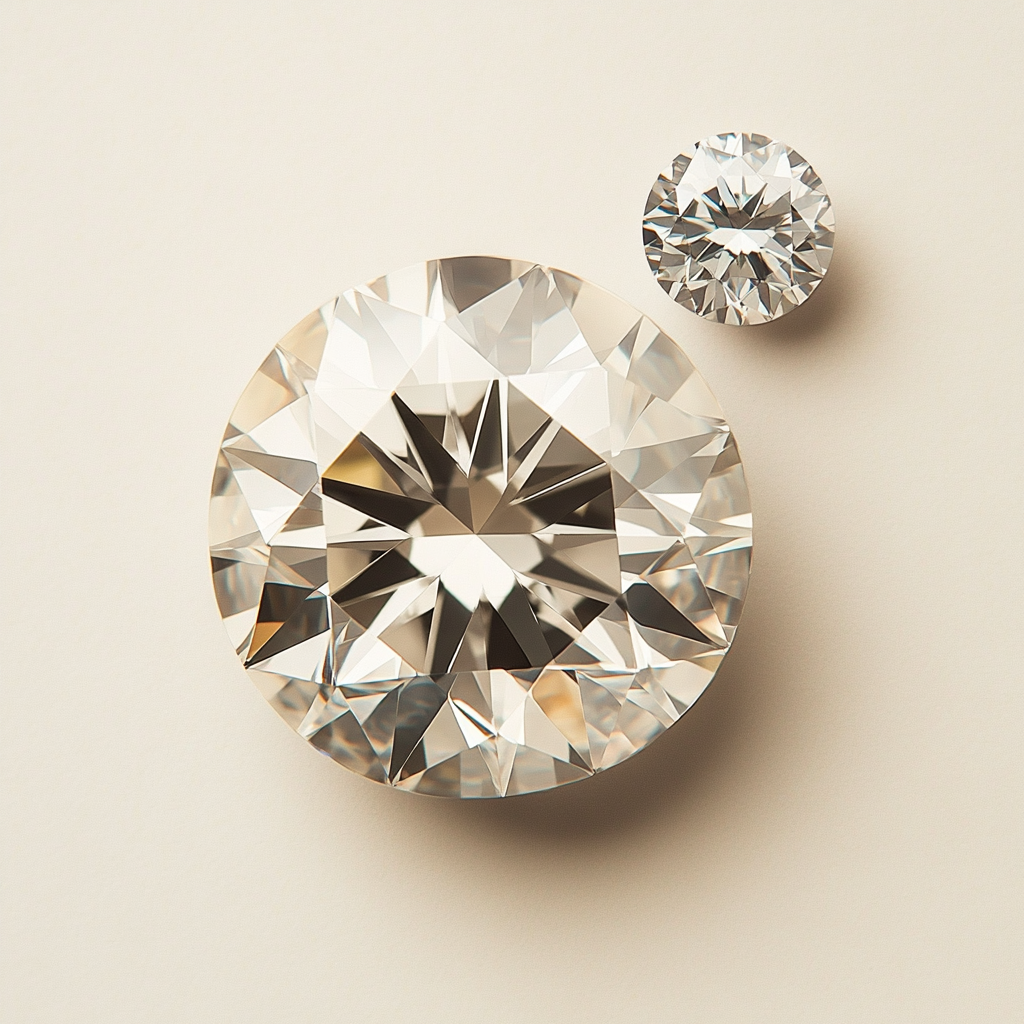
Diamond shape and size also influence clarity choice. Step-cut diamonds (like Emerald or Asscher) show inclusions more readily than brilliant cuts (like Round or Princess). Larger diamonds also make inclusions more apparent.

The goal for many is an "eye-clean" diamond, where flaws are not visible without magnification.
Lab-Grown Diamonds & Clarity
Lab-grown diamonds are graded for clarity using the same GIA scale as natural diamonds. The types of inclusions can sometimes differ slightly due to the different growth processes (HPHT vs. CVD), but the overall impact on appearance and the grading standards are consistent.
With lab-grown diamonds, you may find it more accessible to achieve a higher clarity grade (like VS or VVS) within your budget compared to a natural diamond of equivalent size and other characteristics.