Marquise Cut Diamond Guide
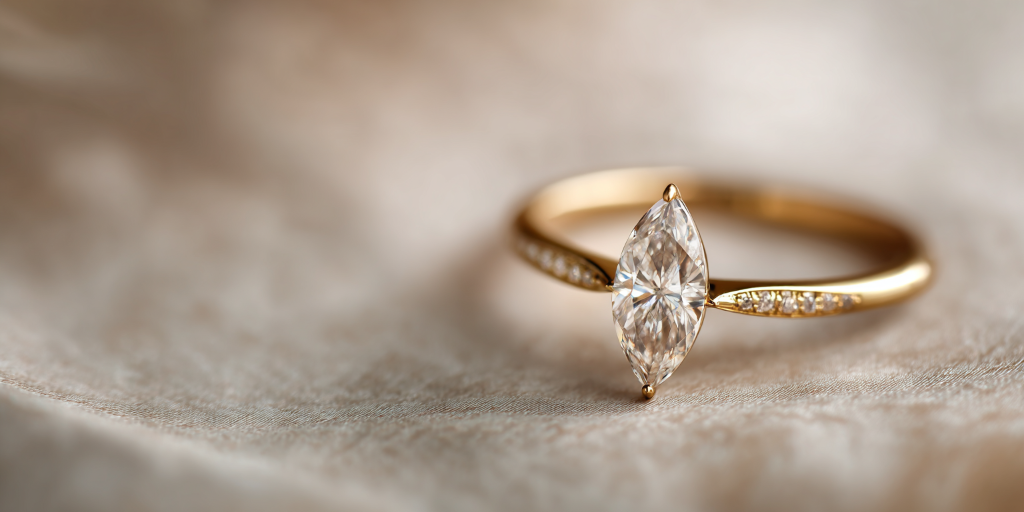
Elegant and elongated with pointed ends. Perfect for a vintage touch with a modern sparkle. Discover the royal heritage and dramatic beauty of the marquise cut diamond.
What is a Marquise Cut Diamond?
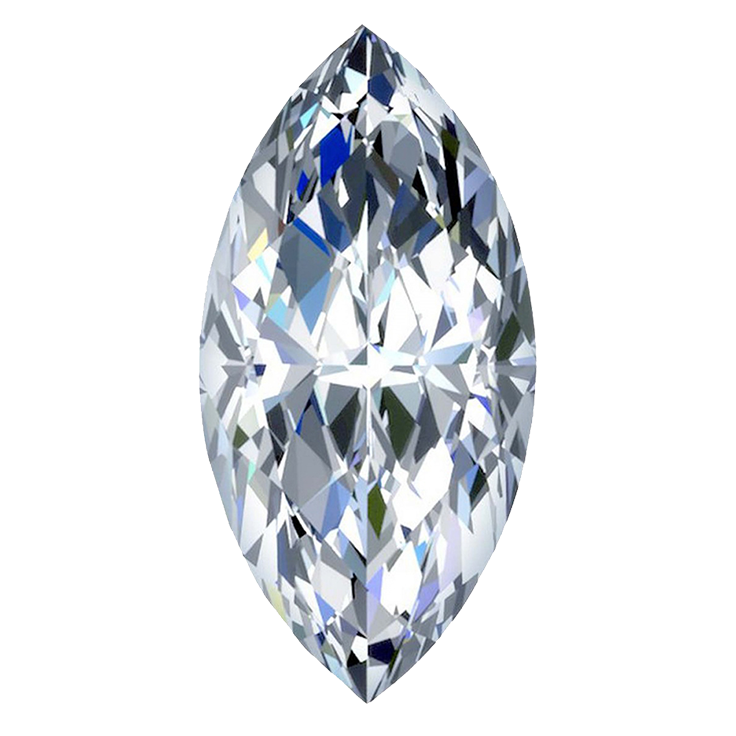
The marquise cut is an elongated diamond shape with pointed ends, often described as boat-shaped or football-shaped. With its 56-58 brilliant-cut facets, the marquise diamond offers exceptional sparkle while creating a dramatic, eye-catching silhouette.
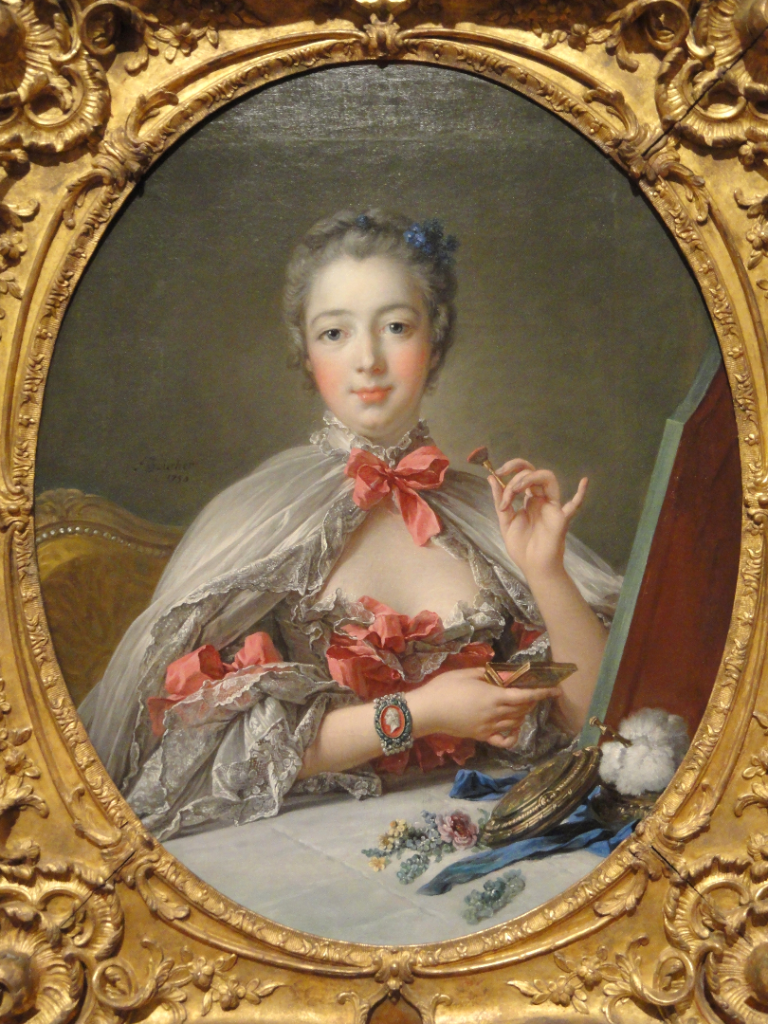
Created in the 18th century for King Louis XV of France, the marquise cut was designed to resemble the smile of his beloved Marquise de Pompadour. This royal heritage gives the marquise cut a sense of nobility and romance that continues to captivate couples today.
The marquise cut's connection to French royalty makes it perfect for those seeking a ring with historical significance and regal elegance.
Why Choose a Marquise Cut?
Advantages
- •Elongated shape creates dramatic visual impact and finger-flattering effect
- •Excellent brilliance and fire with 56-58 facets
- •Rich history dating back to 18th century French royalty
- •Appears larger than other shapes of same carat weight
- •More affordable than round diamonds of comparable quality
Considerations
- •Both pointed ends are vulnerable to chipping
- •May show bow-tie effect if poorly cut
- •Requires careful setting to protect the points
The History and Origin of the Marquise Cut
A Royal Commission
The marquise cut was commissioned by King Louis XV of France in the 18th century. Legend has it that the king requested a diamond to be cut in a shape that would resemble the perfect smile of his chief mistress, Jeanne Antoinette Poisson, the Marquise de Pompadour.
This romantic origin gave the cut its name and royal pedigree. The marquise became associated with nobility and sophistication, adorning the jewelry of European aristocracy throughout the 18th and 19th centuries before becoming popular worldwide.
Best Settings for Marquise Diamonds
V-Prong Solitaire
Classic setting with v-shaped prongs at each point to protect the marquise's vulnerable tips
- •Maximum protection for points
- •Showcases the shape beautifully
- •Timeless elegance
East-West Setting
Marquise set horizontally for a unique, contemporary appearance
- •Modern twist on classic shape
- •More comfortable for daily wear
- •Eye-catching orientation
Three-Stone Setting
Marquise center stone flanked by complementary round or baguette diamonds
- •Enhanced overall brilliance
- •Symbolic past, present, future
- •Balanced proportions
Vintage Halo
Ornate halo setting that complements the marquise's royal heritage
- •Enhanced vintage appeal
- •Makes center stone appear larger
- •Added sparkle and romance
Expert Tips & Advice
Length-to-Width Ratio
The length-to-width ratio is one of the most defining characteristics of a marquise diamond's visual appeal. The ideal range falls between 1.75 and 2.25, with most experts considering 2.00 to be the classic sweet spot. A ratio below 1.75 will make the stone appear too wide and stubby, losing the signature elongated drama that defines the marquise shape. Conversely, a ratio above 2.25 can make the diamond look overly narrow and needle-like, reducing its visual presence on the finger. Your choice within this range should also consider the wearer's hand — slender fingers can carry longer ratios beautifully, while broader fingers may benefit from a slightly wider proportion that offers a bolder, more balanced look.
Colour and Clarity Guidance
The marquise cut's brilliant facet pattern does an excellent job of masking minor colour tints, but its elongated shape and pointed ends can sometimes concentrate colour at the tips. For white gold or platinum settings, we recommend colour grades of G or H to ensure the diamond appears bright and icy across its full length. If you're opting for yellow or rose gold, I or J grades can work beautifully, as the warm metal tone naturally blends with any slight warmth in the stone. For clarity, VS2 or higher is generally ideal — the marquise's brilliant-cut facets help disguise small inclusions, but because the shape draws the eye along its length, any visible imperfections near the centre or tips can become distracting.
Symmetry is Key
Perfect symmetry is absolutely essential for a marquise diamond because even the slightest imbalance is immediately noticeable to the naked eye. Both pointed ends must align precisely along the central axis, and the curved sides should mirror each other with identical arcs and proportions. When examining a marquise diamond, look at it from directly above and check that an imaginary line drawn between the two points divides the stone into two perfectly equal halves. Asymmetry in the wings — where one side bows out more than the other — will make the diamond look tilted or misshapen when set in a ring. At Labelle, we carefully evaluate every marquise diamond for symmetry before recommending it, ensuring the final piece looks balanced and harmonious from every angle.
Protect the Points
The two delicate pointed ends of a marquise diamond are its most vulnerable areas, making setting choice critically important for long-term durability. V-shaped prongs are the most popular option, as they cradle each tip securely while allowing maximum light to enter the stone. Bezel-tip settings, which wrap a thin band of metal around each point, offer even greater protection and are an excellent choice for those with active lifestyles. For additional security, some designs incorporate a six-prong configuration with two v-prongs at the tips and four along the body. Regardless of the setting style, it's important to have your jeweller inspect the prongs periodically — because the points bear more stress from everyday knocks and bumps, keeping them in good condition is essential to protecting your investment for years to come.
Which Do I Prefer?
| Feature | Marquise Cut | Pear Cut | Heart Cut |
|---|---|---|---|
| Facet Style | Brilliant-cut facets | Brilliant-cut facets | Brilliant-cut facets |
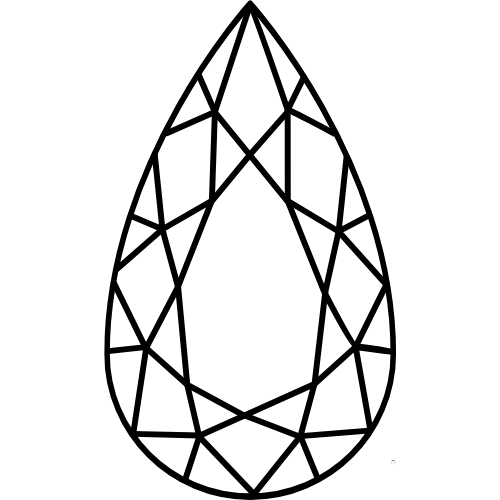
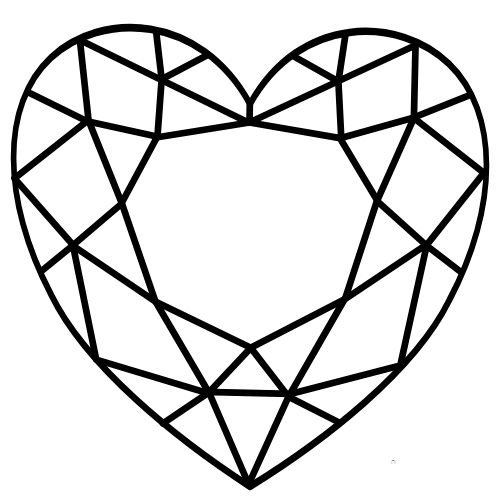
| Shape | Elongated with two pointed ends | Teardrop with rounded end and point | Romantic heart silhouette |
| Light Performance | Exceptional brilliance, elongates finger | Excellent brilliance and fire | Beautiful sparkle with romantic appeal |
| Appearance | Dramatic, elongated, vintage | Elegant, unique, flattering | Romantic, symbolic, distinctive |
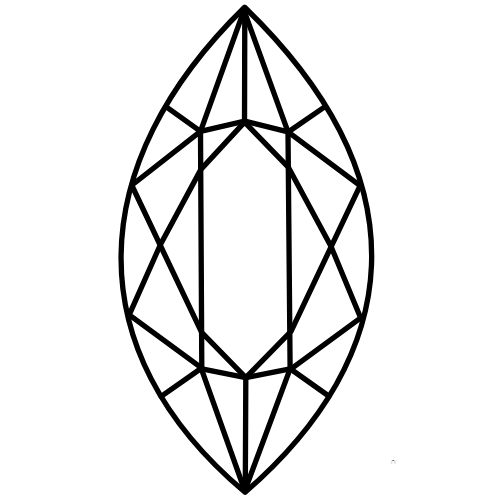 |  |  |
Choose Marquise if: You want maximum finger elongation with dramatic pointed ends and vintage royal glamour.
Choose Pear if: You love the elegant teardrop shape that elongates the finger and offers unique sophistication.
Choose Heart if: You desire the ultimate romantic symbol with a distinctive and meaningful shape.
Expert Tips & Advice
Length-to-Width Ratio
The length-to-width ratio is one of the most defining characteristics of a marquise diamond's visual appeal. The ideal range falls between 1.75 and 2.25, with most experts considering 2.00 to be the classic sweet spot. A ratio below 1.75 will make the stone appear too wide and stubby, losing the signature elongated drama that defines the marquise shape. Conversely, a ratio above 2.25 can make the diamond look overly narrow and needle-like, reducing its visual presence on the finger. Your choice within this range should also consider the wearer's hand — slender fingers can carry longer ratios beautifully, while broader fingers may benefit from a slightly wider proportion that offers a bolder, more balanced look.
Colour and Clarity Guidance
The marquise cut's brilliant facet pattern does an excellent job of masking minor colour tints, but its elongated shape and pointed ends can sometimes concentrate colour at the tips. For white gold or platinum settings, we recommend colour grades of G or H to ensure the diamond appears bright and icy across its full length. If you're opting for yellow or rose gold, I or J grades can work beautifully, as the warm metal tone naturally blends with any slight warmth in the stone. For clarity, VS2 or higher is generally ideal — the marquise's brilliant-cut facets help disguise small inclusions, but because the shape draws the eye along its length, any visible imperfections near the centre or tips can become distracting.
Symmetry is Key
Perfect symmetry is absolutely essential for a marquise diamond because even the slightest imbalance is immediately noticeable to the naked eye. Both pointed ends must align precisely along the central axis, and the curved sides should mirror each other with identical arcs and proportions. When examining a marquise diamond, look at it from directly above and check that an imaginary line drawn between the two points divides the stone into two perfectly equal halves. Asymmetry in the wings — where one side bows out more than the other — will make the diamond look tilted or misshapen when set in a ring. At Labelle, we carefully evaluate every marquise diamond for symmetry before recommending it, ensuring the final piece looks balanced and harmonious from every angle.
Protect the Points
The two delicate pointed ends of a marquise diamond are its most vulnerable areas, making setting choice critically important for long-term durability. V-shaped prongs are the most popular option, as they cradle each tip securely while allowing maximum light to enter the stone. Bezel-tip settings, which wrap a thin band of metal around each point, offer even greater protection and are an excellent choice for those with active lifestyles. For additional security, some designs incorporate a six-prong configuration with two v-prongs at the tips and four along the body. Regardless of the setting style, it's important to have your jeweller inspect the prongs periodically — because the points bear more stress from everyday knocks and bumps, keeping them in good condition is essential to protecting your investment for years to come.
Frequently Asked Questions
The marquise cut diamond was created in the 18th century for King Louis XV of France, who wanted a diamond that resembled the smile of his mistress, the Marquise de Pompadour. Today, the marquise cut symbolizes nobility, elegance, and sophistication, making it perfect for those who want a ring with royal heritage and dramatic presence.
Absolutely! Marquise diamonds make stunning engagement rings. Their elongated shape creates a flattering effect on the finger, making it appear longer and more slender. The marquise cut also offers excellent brilliance and tends to appear larger than other shapes of the same carat weight, providing great value for engagement ring budgets.
Focus on excellent cut quality to minimize bow-tie effect, choose a length-to-width ratio between 1.75-2.25 for ideal proportions, and ensure perfect symmetry with aligned points. VS1-VS2 clarity and G-H color grades offer excellent value. Most importantly, select a setting that protects both pointed ends with v-prongs or bezels.
Yes! At Labelle, we specialize in custom marquise engagement rings. We can create bespoke settings that perfectly complement the marquise shape, from vintage-inspired halos to modern east-west orientations. Our expert designers will work with you to create a unique ring that protects the diamond while showcasing its dramatic beauty.
Yes, marquise diamonds typically appear larger than round diamonds of the same carat weight due to their elongated shape and larger surface area. The marquise cut maximizes the visual size of the diamond, making it an excellent choice for those wanting maximum impact and presence from their engagement ring.
Create Your Perfect Marquise Engagement Ring
At Labelle, we specialize in creating bespoke marquise engagement rings that perfectly capture your unique love story. Our expert designers work with you to create a setting that protects and showcases your marquise diamond's dramatic beauty.