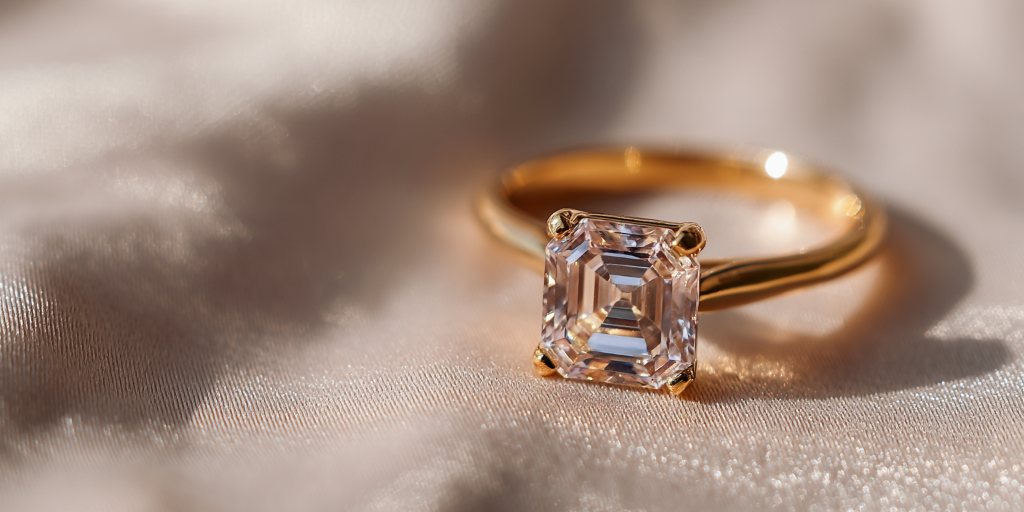
Asscher Cut Diamond Guide
A bold vintage cut, loved for its Art Deco feel and hall-of-mirrors effect. Discover the geometric beauty and rich heritage of the distinctive Asscher cut diamond.
What is an Asscher Cut Diamond?
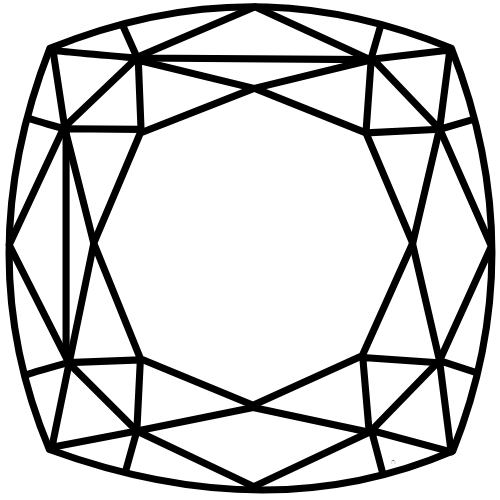
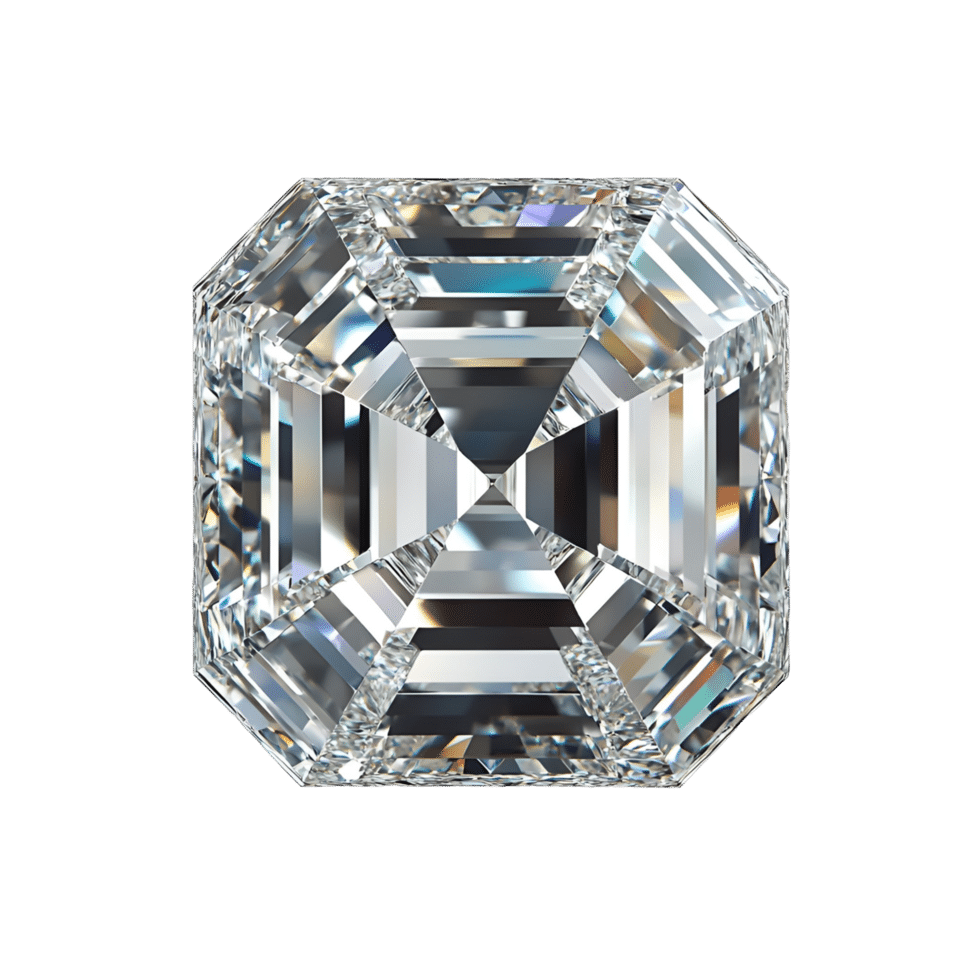
The Asscher cut is a square-shaped step-cut diamond with cropped corners, featuring typically 50-58 step-cut facets arranged in concentric rectangles. This distinctive cut creates a mesmerizing "hall of mirrors" effect with dramatic flashes of light and shadow.
Unlike brilliant cuts that prioritize sparkle, the Asscher cut emphasizes clarity and creates bold geometric patterns within the stone. Its Art Deco aesthetic and vintage appeal make it perfect for those seeking something distinctive and historically significant.
The Asscher cut's square shape and step-cut facets create striking geometric patterns that perfectly capture the Art Deco spirit of the early 20th century.
Why Choose an Asscher Diamond?
Advantages
- •Bold Art Deco aesthetic perfect for vintage-inspired designs
- •Unique 'hall of mirrors' effect showcases exceptional clarity
- •Square shape offers a distinctive alternative to round diamonds
- •Rich heritage dating back to 1902 with royal connections
- •More affordable than round diamonds of comparable quality
Considerations
- •Step-cut facets show inclusions more readily – higher clarity recommended
- •Less sparkle than brilliant cuts; emphasizes clarity over fire
- •Requires precise proportions for the best visual effect
The History and Origin of the Asscher Cut
Royal Heritage
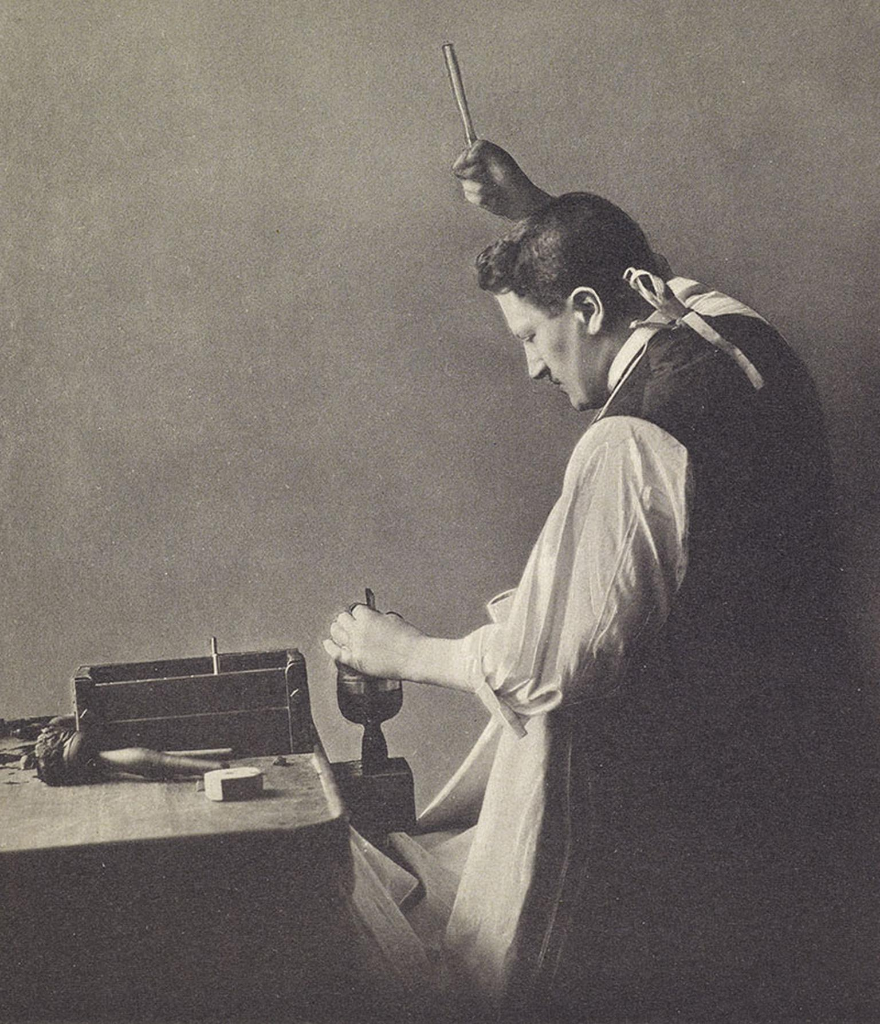
Created in 1902 by Joseph Asscher of the renowned Asscher Diamond Company in Amsterdam, this cut gained fame when Joseph was chosen to cut the legendary 3,106-carat Cullinan Diamond for the British Crown Jewels.
The Asscher cut became synonymous with luxury and sophistication during the Art Deco era of the 1920s, when its geometric lines perfectly captured the period's aesthetic zeitgeist.
Best Settings for Asscher Diamonds
Art Deco Inspired
Geometric settings that complement the Asscher's vintage heritage with angular details and stepped designs
- •Authentic vintage appeal
- •Complements the cut's history
- •Striking geometric lines
Solitaire Double Prong
Elegant double prong setting that securely holds the Asscher while emphasizing its geometric corners
- •Enhanced corner protection
- •Modern sophisticated look
- •Showcases the cut beautifully
Split Shank
Dramatic setting where the band divides as it approaches the center stone, framing the Asscher beautifully
- •Creates visual interest
- •Makes center stone appear larger
- •Elegant dramatic look
Trilogy
Three-stone setting with an Asscher center flanked by two smaller stones, symbolizing past, present, and future
- •Rich symbolic meaning
- •Added brilliance and sparkle
- •Classic timeless design
Expert Tips & Advice
Clarity is King
Because of its large, open table and long step-cut facets, the Asscher cut acts almost like a magnifying glass into the diamond's interior. Unlike brilliant cuts that scatter light into countless tiny reflections — effectively hiding minor imperfections — the Asscher's broad, flat facets leave inclusions and blemishes far more visible to the naked eye. For this reason, we strongly recommend selecting a clarity grade of VS1 or higher to ensure a clean, flawless appearance that lets the hall-of-mirrors effect shine without distraction. When reviewing a grading report, pay close attention to the inclusion plot — inclusions positioned near the centre or directly beneath the table will be the most noticeable, while those tucked near the cropped corners tend to be far less visible once the stone is set.
Perfect Proportions
The Asscher cut's beauty relies heavily on precise proportions, and even small deviations can significantly affect how the stone looks on the finger. Look for a length-to-width ratio between 1.00 and 1.05 for a perfectly square appearance — the hallmark of a classic Asscher. The ideal table percentage falls between 61% and 69%, while depth should range from 61% to 68% for optimal light performance. Stones that fall outside these ranges may appear either too shallow — causing light to leak through the bottom — or too deep, creating dark, lifeless areas within the step-cut facets. At Labelle, we carefully evaluate every Asscher diamond's proportions to ensure the concentric rectangular facets produce that mesmerising depth and symmetry the cut is known for.
Colour Considerations
Step-cut diamonds like the Asscher tend to reveal body colour more readily than brilliant-cut shapes, because the broad, flat facets don't break up light into as many colourful flashes. This means any warmth or tint in the stone becomes more apparent, particularly in larger carat sizes where the greater surface area amplifies even subtle colour differences. For settings in white gold or platinum, we recommend selecting colour grades of G or higher to maintain a bright, icy white appearance that complements the cool metal tone. If you're opting for yellow or rose gold, you can comfortably choose H or I grades, as the warm metal naturally blends with any slight warmth in the diamond — offering meaningful savings without any visible compromise in beauty.
Choosing the Right Setting
The setting you pair with an Asscher cut diamond plays a crucial role in how the stone's unique geometric character is presented. Because the Asscher is inherently bold and architectural, it tends to look best in settings that echo its clean lines and Art Deco heritage. A classic solitaire with double prongs at each corner offers both security and a refined, vintage-inspired aesthetic that lets the step-cut facets take centre stage. For those who want additional presence, a trilogy setting with two complementary side stones adds visual weight while maintaining the cut's sophisticated geometry. Art Deco-inspired settings with milgrain detailing or geometric metalwork are a natural match, honouring the era in which the Asscher cut rose to prominence. Avoid overly ornate or heavily curved designs that can clash with the cut's angular, structured beauty — simplicity and precision are the Asscher's best friends.
Which Do I Prefer?
| Feature | Asscher Cut | Emerald Cut | Princess Cut |
|---|---|---|---|
| Facet Style | Step-cut facets | Step-cut facets | Brilliant-cut facets |
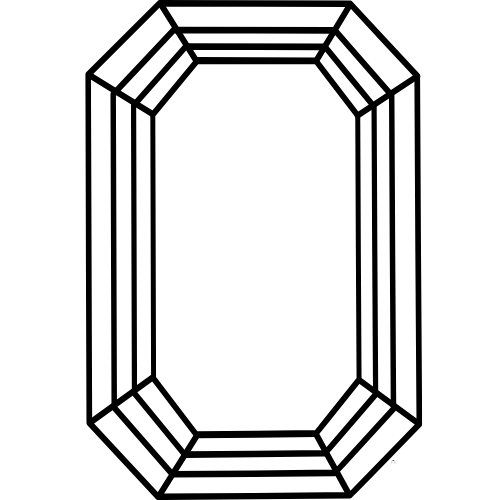
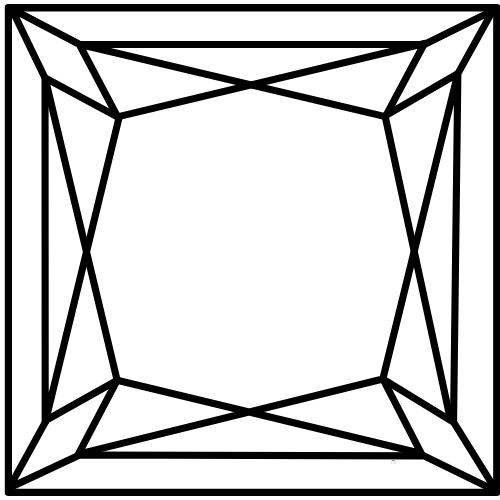
| Shape | Square with cropped corners | Rectangular | Square with sharp corners |
| Light Performance | Hall of mirrors effect | Hall of mirrors effect | High brilliance and fire |
| Appearance | Bold, geometric, Art Deco | Elegant, elongated, sophisticated | Modern, brilliant, contemporary |
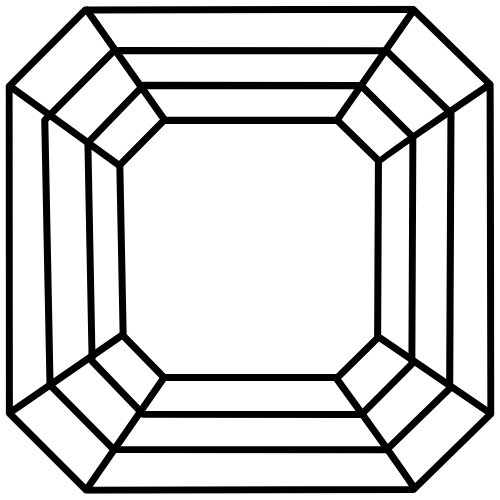 |  |  |
Choose Asscher if: You love Art Deco style, geometric designs, and want a bold square diamond with vintage heritage.
Choose Emerald if: You prefer elongated elegance, sophisticated simplicity, and a more subtle vintage aesthetic.
Choose Princess if: You want maximum brilliance and fire in a modern square shape with contemporary appeal.
Frequently Asked Questions
An Asscher cut diamond is a square-shaped step-cut diamond with cropped corners, featuring typically 50-58 step-cut facets. Created in 1902 by Joseph Asscher, it's known for its distinctive 'hall of mirrors' effect, bold geometric appearance, and strong Art Deco aesthetic. The cut emphasizes clarity and creates dramatic flashes of light rather than intense sparkle.
Absolutely! Asscher cut diamonds make stunning engagement rings, especially for those who appreciate vintage style and geometric designs. Their Art Deco heritage and distinctive square shape create a bold, sophisticated look that stands out from traditional round diamonds. They're perfect for couples wanting something unique with historical significance.
While both are step-cut diamonds with similar faceting, the key difference is shape: Asscher cuts are square with cropped corners, while emerald cuts are rectangular. Asscher cuts have a more geometric, Art Deco appearance and often appear more brilliant due to their square proportions, while emerald cuts are more elongated and elegant.
Yes! At Labelle, we specialize in creating custom Asscher cut engagement rings. Our expert designers can create bespoke Art Deco-inspired settings, modern interpretations, or classic solitaires that perfectly complement the Asscher's distinctive geometry. We work with you to design a ring that reflects your personal style and the cut's vintage heritage.
Asscher cuts work beautifully in various settings. Art Deco-inspired designs complement their vintage heritage, while classic four-prong solitaires showcase their unique faceting. Bezel settings offer a modern interpretation, and halos can enhance their presence. The key is choosing a setting that doesn't overwhelm the cut's distinctive geometric beauty.
Create Your Perfect Asscher Cut Engagement Ring
At Labelle, we specialize in creating bespoke Asscher cut engagement rings that honor this cut's Art Deco heritage while reflecting your personal style. Our expert designers craft settings that showcase the Asscher's unique geometric beauty and hall-of-mirrors effect.