
Round Brilliant Diamond Guide
Discover why the round brilliant cut is the world's most popular diamond shape, offering unmatched sparkle, timeless elegance, and versatility for any setting.
What is a Round Diamond?
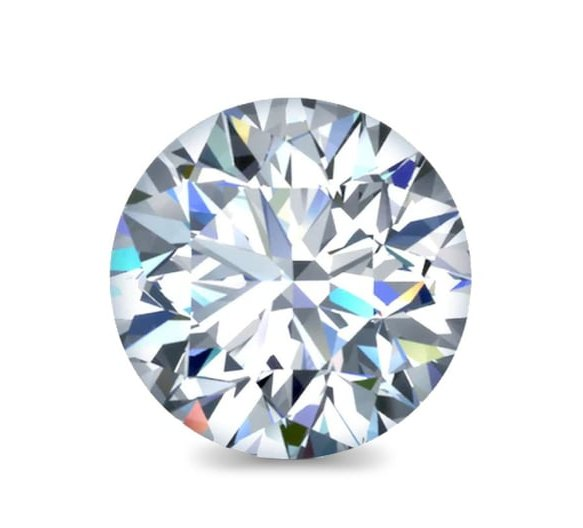
The round brilliant cut is the most popular and scientifically optimised diamond shape in the world. Featuring 58 precisely arranged facets, it is engineered to maximise light return, producing unmatched brilliance, fire, and scintillation.
Its perfectly symmetrical circular outline makes it incredibly versatile — it complements every ring setting style, from classic solitaires to modern halos. The round brilliant accounts for over 60% of all diamonds sold globally, a testament to its enduring appeal and superior sparkle.
Thanks to its mathematically ideal proportions, the round brilliant cut hides inclusions and colour tints better than most other shapes, offering exceptional beauty even at slightly lower clarity and colour grades.
Why Choose a Round Diamond?
Advantages
- •Maximum brilliance and fire due to 58 perfectly arranged facets
- •Timeless and classic - never goes out of style
- •Works beautifully with all setting styles
- •Superior light performance compared to most fancy shapes
Considerations
- •Generally more expensive per carat than fancy shapes
- •Less unique than alternative diamond shapes
The History and Origin of the Round Brilliant Cut
Centuries of Perfection
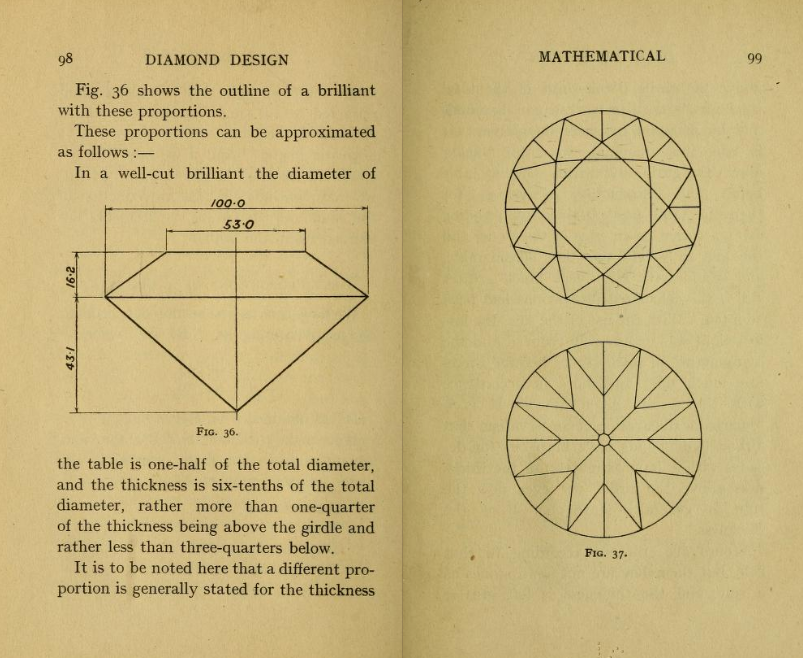
The round brilliant cut has evolved over centuries, with its modern form perfected by Marcel Tolkowsky in 1919. His mathematical calculations determined the ideal proportions for maximum light return, creating what we now know as the “ideal cut.”
Before Tolkowsky, diamond cutters experimented with various round shapes including the old mine cut and old European cut. These historical cuts laid the foundation for the 58-facet arrangement that makes the round brilliant the most optically efficient diamond shape.
Best Settings for Round Diamonds
Classic Solitaire
Showcases the round diamond's brilliance without distraction
- •Timeless elegance
- •Maximum light exposure
- •Easy to clean and maintain
Halo Setting
Surrounds the round diamond with smaller diamonds for extra sparkle
- •Makes center stone appear larger
- •Added brilliance
- •Vintage-inspired look
Trilogy Setting
Features the round diamond flanked by two accent stones
- •Symbolic meaning
- •Balanced design
- •Additional sparkle
Bezel Setting
Encircles the round diamond with a metal rim for protection
- •Maximum security
- •Modern aesthetic
- •Low maintenance
Expert Tips & Advice
Prioritize Cut Quality
For round diamonds, cut quality is everything. The cut grade has the single greatest impact on a diamond's beauty because it determines how effectively light enters, reflects, and exits the stone. Aim for Excellent or Very Good cut grades from reputable laboratories like IGI or GIA. The ideal proportions for maximum brilliance are a table percentage of 54-57%, depth of 59-62.6%, and crown angle of 34-35°. A well-cut round diamond will display exceptional fire (colored light flashes), brilliance (white light return), and scintillation (sparkle when the diamond moves). Even a diamond with perfect color and clarity will appear dull if the cut is poor, so never compromise on this factor.
Balance the 4Cs Strategically
Since round brilliant diamonds are specifically designed to maximize light return and brilliance, they are remarkably forgiving when it comes to color and clarity grades. The intense sparkle can mask slight color tints and minor inclusions that might be more visible in step-cut shapes like emerald or Asscher. This means you can often select slightly lower color grades (G-H instead of D-F) and clarity grades (VS1-VS2 instead of VVS) while still achieving stunning visual results. The savings from these strategic choices can then be redirected toward maximizing carat weight or investing in a superior cut grade. This balanced approach allows you to get the most impressive-looking diamond within your budget.
Check Certification Carefully
Always choose a diamond that comes with a certificate from a reputable, independent gemological laboratory such as GIA (Gemological Institute of America), IGI (International Gemological Institute), or HRD Antwerp (Hoge Raad voor Diamant). These respected institutions provide an objective and professional assessment of a diamond's quality. A diamond certificate confirms the stone's 4Cs: cut, color, clarity, and carat weight. It ensures that you are receiving exactly what you are paying for and serves as proof of authenticity and transparency, giving you confidence in your purchase. For lab-grown diamonds, the certificate will clearly state that the diamond is laboratory-created and may also mention the growth method used, such as CVD or HPHT. This documentation guarantees clarity about the diamond's origin and characteristics. Choosing a certified diamond ensures peace of mind, verified quality, and long-term value.
Choose the Right Carat Size for the Finger
Carat weight determines the size of the diamond, but in round brilliant cuts, visual size can vary slightly depending on proportions. Two diamonds with the same carat weight can appear slightly different in diameter if one is cut deeper or shallower. When choosing a round diamond, consider how the size will look on the hand it's intended for. A 1.00 carat diamond typically measures around 6.4–6.5 mm in diameter, but slight differences in cut can affect how large it appears visually. Rather than focusing only on carat number milestones (such as 1.00 or 2.00 carats), consider what diameter looks balanced and proportional on the finger. Sometimes selecting just under a "milestone" carat weight can offer better value without a noticeable difference in appearance. Ultimately, the right size is the one that feels harmonious with the setting and comfortable for everyday wear.
Which Do I Prefer?
| Feature | Round Cut | Oval Cut | Cushion Cut |
|---|---|---|---|
| Facet Style | Brilliant-cut facets | Brilliant-cut facets | Brilliant-cut facets |
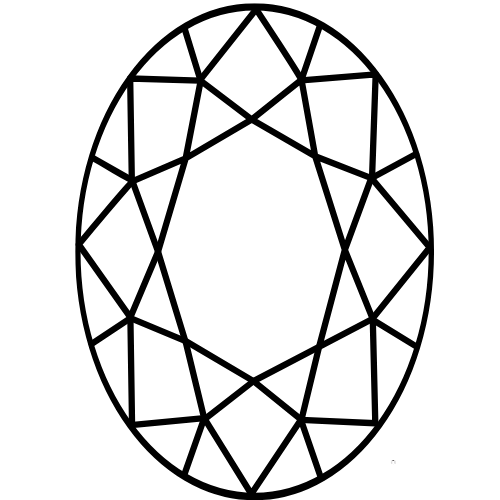
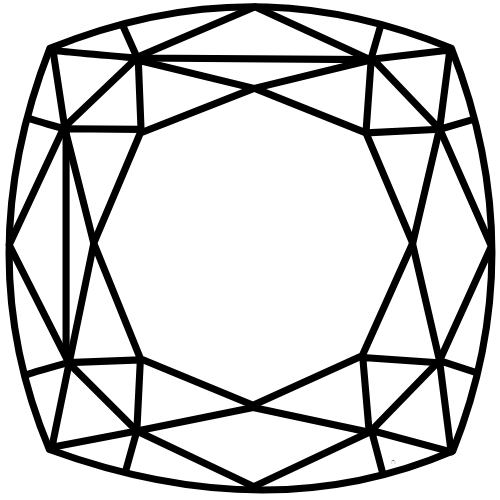
| Shape | Perfect circle | Elongated ellipse | Square with rounded corners |
| Light Performance | Maximum brilliance and fire | Excellent brilliance with elongation | Soft brilliance with larger facets |
| Appearance | Classic, timeless, versatile | Elegant, elongating, modern | Romantic, vintage, soft |
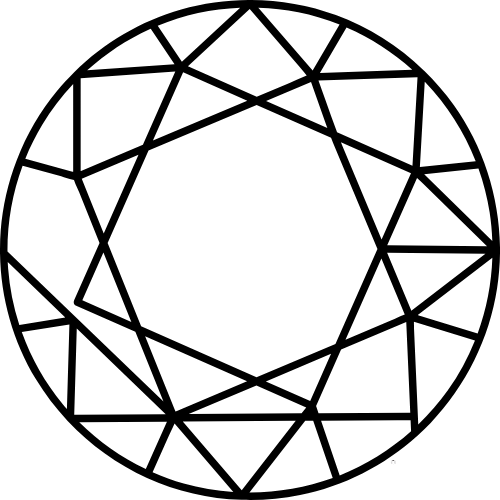 |  |  |
Choose Round if: You want maximum brilliance and fire in a timeless, classic shape that suits every style.
Choose Oval if: You prefer an elongating, elegant look with excellent sparkle and a modern feel.
Choose Cushion if: You love romantic, vintage-inspired designs with soft corners and a warm glow.
Frequently Asked Questions
Round brilliant diamonds are the most popular choice because they offer the maximum brilliance and fire. The 58-facet cut is specifically designed to optimize light return, making them sparkle more than any other diamond shape. They're also timeless and work with every setting style.
Yes, round brilliant diamonds typically display more brilliance than fancy shapes. The mathematical precision of the 58-facet arrangement maximizes light reflection and refraction, creating superior sparkle and fire compared to most other cuts.
Round diamonds are incredibly versatile and work beautifully with all settings. Classic solitaires showcase their brilliance, halos add extra sparkle, and modern bezels offer security. The choice depends on your personal style and preferences.
Generally yes, round diamonds cost 10-30% more per carat than fancy shapes of similar quality. This premium is due to higher demand, superior light performance, and the fact that more rough diamond is lost during cutting (about 60% waste vs 40% for fancy shapes).
For round diamonds, prioritize Excellent or Very Good cut grades. The cut quality has the biggest impact on brilliance. Look for ideal proportions: table 54-57%, depth 59-62.6%, and crown angle 34-35 degrees for optimal light performance.
Discover Our Round Diamond Collection
Explore our carefully curated selection of round diamond engagement rings, from timeless solitaires to stunning halos, each crafted with exceptional lab-grown diamonds and recycled 18k gold.