Pear Cut Diamond Guide
Discover the unique elegance of the pear cut diamond. This distinctive "teardrop" shape combines the brilliance of a round cut with the elongated grace of a marquise, creating a flattering and eye-catching look.
What is a Pear Cut Diamond?
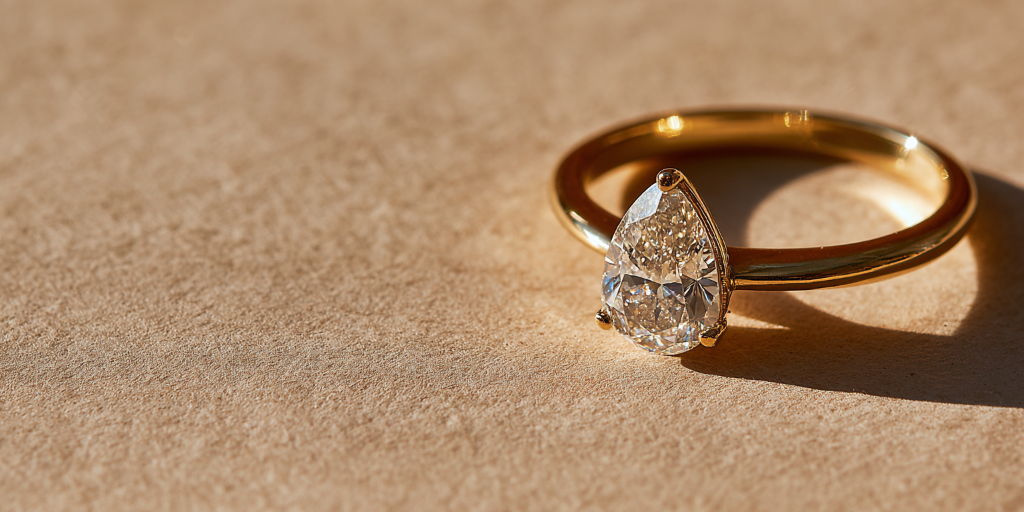
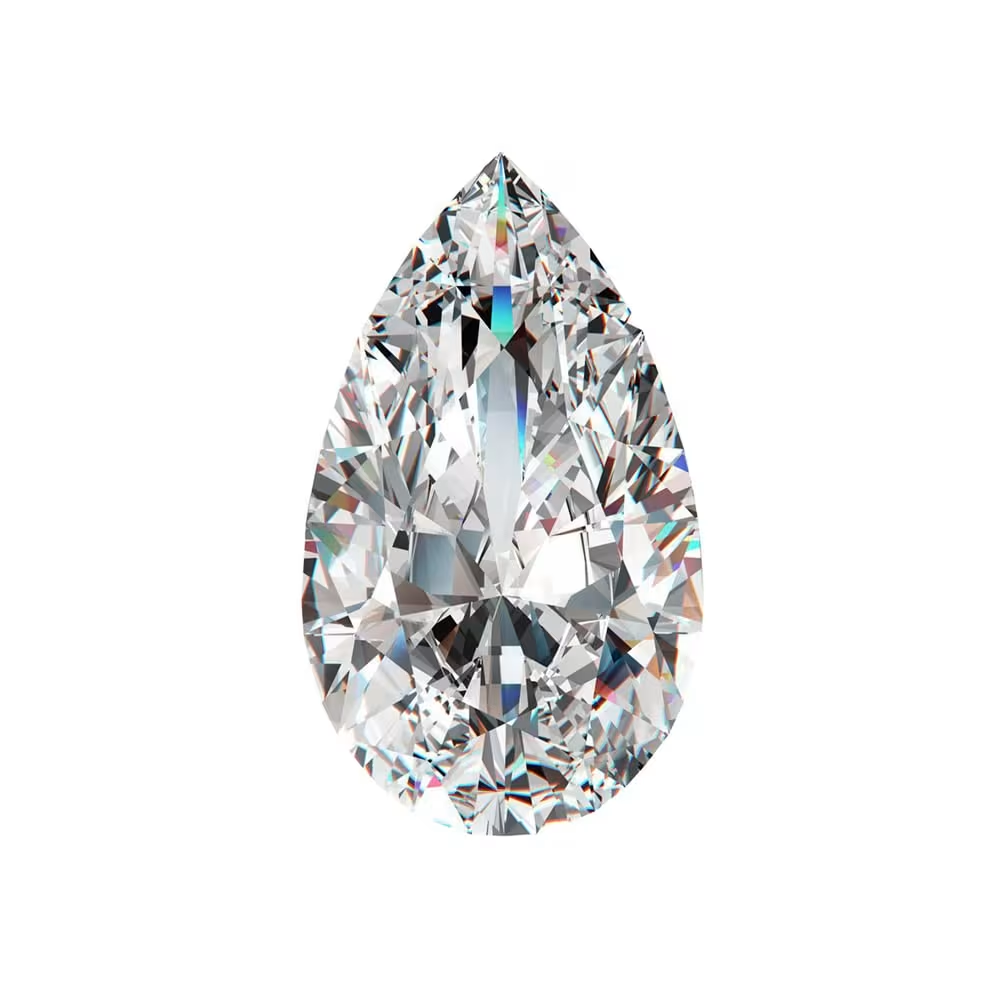
The pear cut diamond, often called a "teardrop diamond," is a beautiful hybrid shape that combines the brilliance of a round cut with the elongated elegance of a marquise cut. It features a rounded end tapering to a single point, creating a distinctive and graceful silhouette.
With 58 brilliant-style facets, a well-cut pear diamond offers exceptional sparkle and fire. Its asymmetrical shape is known for its slimming and elongating effect on the finger, making it a popular choice for those seeking a unique yet classic look.
The pear shape's brilliant faceting provides impressive sparkle, while its unique form offers a distinctive alternative to more common diamond cuts.
Why Choose a Pear Cut Diamond?
Advantages
Distinctive and elegant teardrop shape
Elongates the finger for a flattering appearance
Offers brilliance similar to round diamonds
Unique and eye-catching, stands out from common shapes
Often provides better value per carat than round diamonds
Considerations
The tapered point can be prone to chipping if not protected
May exhibit a 'bow-tie' effect if not well-cut
Symmetry is crucial; an off-center point can look unbalanced
The History and Origin of the Pear Cut
Renaissance Innovation
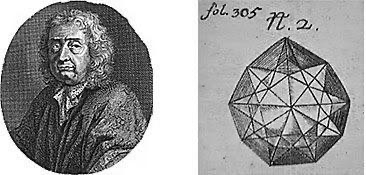
The pear cut was invented around 1458 by Lodewyk van Berquem, a Flemish diamond polisher from Bruges. Van Berquem is credited with inventing the scaif, a polishing wheel that revolutionized diamond cutting and made the pear shape possible.
Throughout history, the pear shape has adorned some of the world's most famous diamonds, including the Cullinan I (Great Star of Africa) in the British Crown Jewels. Its teardrop silhouette has symbolized tears of joy and eternal love for over five centuries.
Best Settings for Pear Cut Diamonds
Solitaire with V-Prong
Classic solitaire with a V-prong to protect the point, often enhanced with a subtle hidden halo.
Three-Stone Setting
Flanked by smaller diamonds or gemstones to create a balanced and impressive look.
East-West Setting
Pear diamond set horizontally for a unique, modern, and sometimes vintage feel.
Bezel Setting
A metal rim encircles the diamond, offering maximum protection, especially for the point.
Expert Tips & Advice
Protect the Point
The pointed tip of a pear cut diamond is its most delicate area and is naturally more susceptible to chipping or damage than the rounded end. This makes your choice of setting critically important. Always opt for designs that incorporate V-prongs, bezel tips, or protective metalwork at the point to shield it from everyday knocks and snags. A well-designed V-prong cradles the tip securely without obscuring the diamond's shape, while a partial bezel at the point offers even greater protection for those with active lifestyles. This small design detail ensures your pear diamond stays pristine and secure for decades of daily wear.
Length-to-Width Ratio
The length-to-width ratio of a pear diamond has a dramatic impact on its overall appearance and how it sits on the finger. The classic, most universally flattering ratio falls between 1.50 and 1.75, producing a well-balanced teardrop that looks elegant and proportionate. Lower ratios of 1.40 to 1.50 create a wider, chubbier teardrop that can appear bolder and more substantial on the hand, while higher ratios between 1.75 and 2.00 produce a sleek, dramatically elongated silhouette that maximises the finger-slimming effect pear cuts are famous for. When choosing your ratio, consider the width of the wearer's finger and the style of band — slender bands complement elongated pears beautifully, while wider bands pair well with shorter, rounder proportions.
Check Symmetry Carefully
Symmetry is perhaps the single most important quality factor unique to pear cut diamonds. The pointed tip should align perfectly with the exact centre of the rounded end, and both curved 'shoulders' — the wings on either side of the stone — should mirror each other precisely. Even a slight misalignment of the point or unevenness in the shoulders will create a visually unbalanced diamond that appears crooked or lopsided when set in a ring. Unlike round brilliants where symmetry issues are harder to spot, asymmetry in a pear shape is immediately noticeable to the naked eye. Always examine the diamond from directly above and compare both halves side by side before committing to your purchase.
Minimise the Bow-Tie Effect
Like oval and marquise cuts, pear shaped diamonds are prone to displaying a dark bow-tie pattern — a shadowy area that stretches across the widest part of the stone where light fails to reflect back to the viewer. A faint bow-tie is common in most pear diamonds and can actually add depth and character to the stone, but a heavy, prominent bow-tie significantly diminishes brilliance and sparkle. The severity of the bow-tie is determined primarily by the quality of the cut and the precise angles of the facets, which is why prioritising excellent cut grades is essential. Always view the diamond in person or through high-definition video under multiple lighting conditions, as bow-tie effects are not captured in standard grading reports and can only be assessed visually.
Which Do I Prefer?
| Feature | Pear Cut | Marquise Cut | Heart Cut |
|---|---|---|---|
| Facet Style | Brilliant-cut facets | Brilliant-cut facets | Brilliant-cut facets |
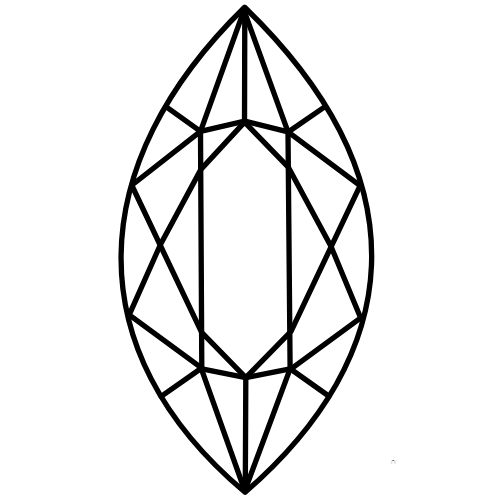
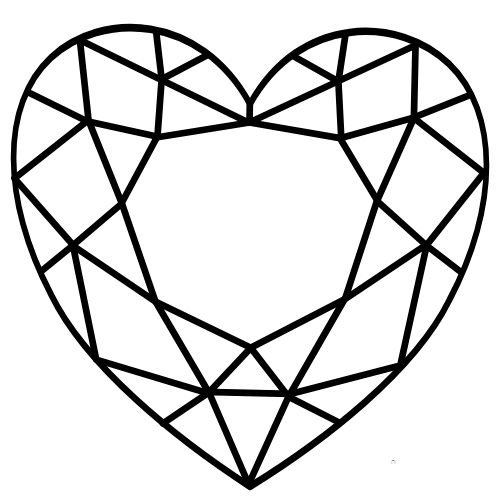
| Shape | Teardrop with rounded end and point | Elongated with two pointed ends | Romantic heart silhouette |
| Light Performance | Excellent brilliance and fire | Exceptional brilliance, elongates finger | Beautiful sparkle with romantic appeal |
| Appearance | Elegant, unique, flattering | Dramatic, elongated, vintage | Romantic, symbolic, distinctive |
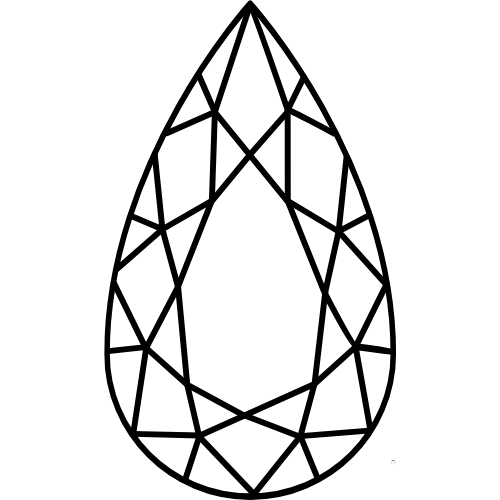 |  |  |
Choose Pear if: You love the elegant teardrop shape that elongates the finger and offers unique sophistication.
Choose Marquise if: You want maximum finger elongation with dramatic pointed ends and vintage glamour.
Choose Heart if: You desire the ultimate romantic symbol with a distinctive and meaningful shape.
Frequently Asked Questions
Traditionally, the pointed end of the pear diamond faces towards the wearer's fingernails. However, this is a personal preference, and some prefer to wear it with the point facing towards their heart or knuckles. There's no right or wrong way!
Yes, the sharp point of a pear cut diamond is its most vulnerable area and can be prone to chipping if not protected. We always recommend settings that secure the point, such as a v-prong or a bezel setting.
Pear diamonds often offer excellent value. They tend to be less expensive per carat than round brilliant diamonds because the cutting process typically results in a higher yield from the rough diamond. Their elongated shape can also make them appear larger than other shapes of the same carat weight.
Pear shapes, like other elongated fancy cuts (e.g., marquise, oval), can sometimes show more color, especially towards the pointed tip. If you're aiming for a near-colorless appearance, it's advisable to choose a slightly higher color grade (e.g., G or H) or ensure the stone is well-cut to mask subtle hues.
The classic length-to-width ratio for a pear shape is typically between 1.50 and 1.75. Ratios within this range provide a well-balanced and aesthetically pleasing teardrop shape. However, preferences vary, with some preferring a chubbier (lower ratio) or more elongated (higher ratio) look.
Discover Our Pear Cut Collection
Explore our captivating collection of pear cut diamond engagement rings. Each Labelle design celebrates the unique elegance and flattering silhouette of this exquisite teardrop shape.