Oval Diamond Guide
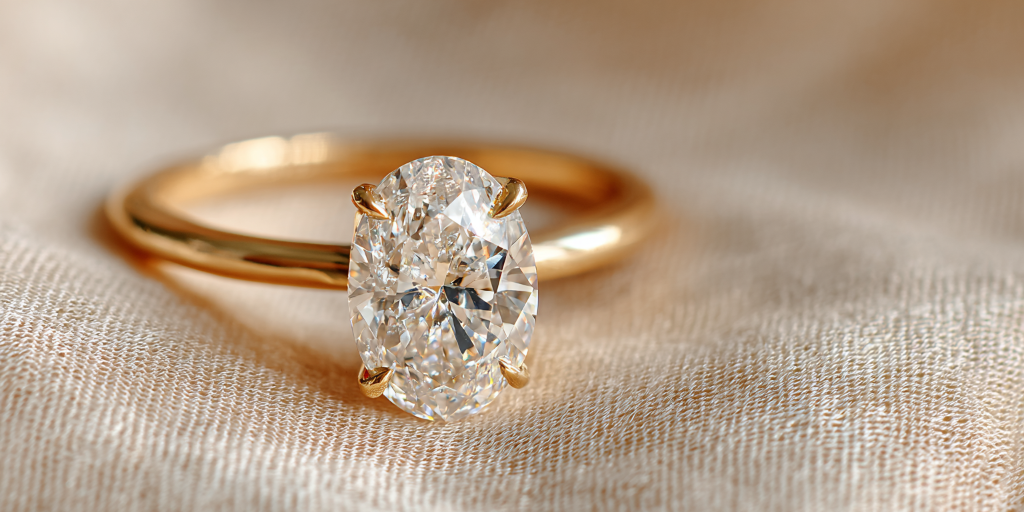
Discover the elegant oval cut diamond. A modern classic that combines the brilliance of round diamonds with a flattering elongated shape that maximizes visual impact.
What is an Oval Diamond?
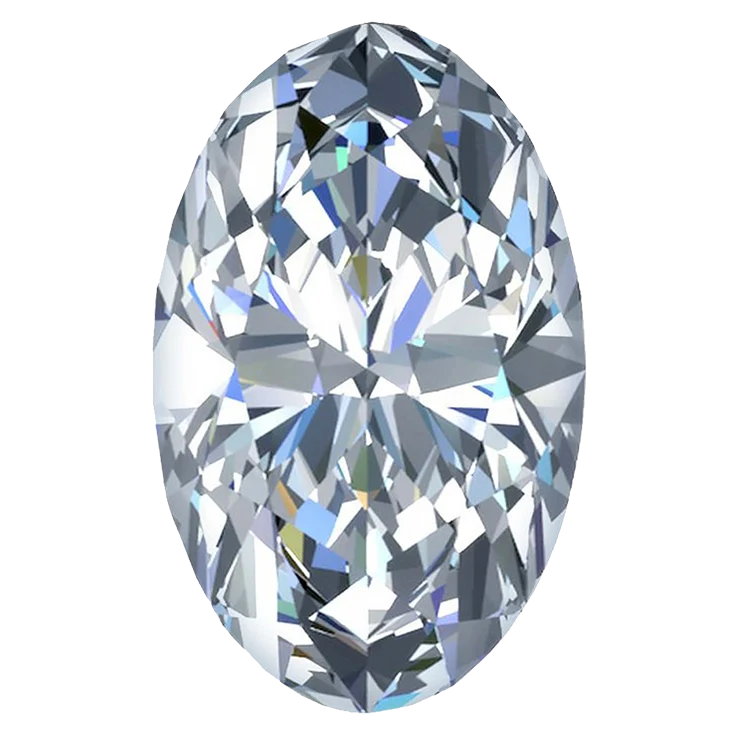
The oval cut is an elongated version of the round brilliant diamond, featuring 56-58 precisely arranged facets that create exceptional brilliance and fire. This elegant shape combines the sparkle of a round diamond with a unique silhouette that flatters the finger.
Created in the 1960s by diamond cutter Lazare Kaplan, the oval cut has become increasingly popular for its ability to appear larger than round diamonds of the same carat weight while offering excellent value and timeless appeal.
The oval's elongated shape creates a flattering effect on the finger, making both the stone and the finger appear longer and more elegant.
Why Choose an Oval Cut?
Advantages
- •Modern yet timeless aesthetic that never goes out of style
- •Elongating effect creates flattering appearance on the finger
- •Offers great spread and visual size per carat
- •56-58 facets provide excellent brilliance and fire
- •More affordable than round diamonds of similar quality
Considerations
- •May show bow-tie effect if poorly cut
- •Less traditional than round brilliant cut
- •Requires careful selection to avoid unwanted darkness
The History and Origin of the Oval Cut
A Modern Classic
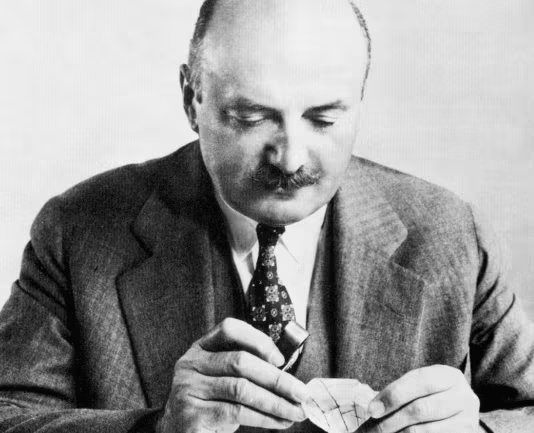
The oval cut was created in 1957 by Lazare Kaplan, a renowned diamond cutter who was also a cousin of Marcel Tolkowsky. Kaplan sought to develop a shape that would offer the brilliance of a round diamond with a more distinctive, elongated silhouette.
Since its creation, the oval has grown steadily in popularity, becoming especially fashionable in recent decades. Its ability to maximize carat weight while creating a flattering finger elongation has made it a favorite among celebrities and royalty alike.
Best Settings for Oval Diamonds
Hidden Halo
Subtle halo beneath the center stone adds brilliance without overwhelming the oval's elegance
- •Enhanced sparkle
- •Maintains clean look
- •Added security
East-West Setting
Oval diamond set horizontally for a unique, modern appearance
- •Contemporary style
- •Comfortable wear
- •Distinctive look
Classic Solitaire
Simple setting that showcases the oval's natural beauty and brilliance
- •Timeless elegance
- •Maximum light exposure
- •Versatile style
Trilogy Setting
Oval center stone flanked by complementary side stones
- •Symbolic meaning
- •Added sparkle
- •Balanced proportions
Expert Tips & Advice
Choose the Right Length-to-Width Ratio
The length-to-width ratio determines how elongated or compact your oval diamond will appear. Classic, well-balanced oval proportions typically fall between 1.35 and 1.50. This range creates the elegant, flattering elongation that oval diamonds are known for. Ratios below 1.30 will make the oval appear more rounded. Almost like a chubby oval, which loses some of the shape's distinctive character. Ratios above 1.50 create a very elongated, slender appearance that some find too narrow or finger-like. The ideal ratio ultimately depends on personal preference and the wearer's finger shape. Those with shorter fingers may prefer a longer ratio (1.45-1.50) for maximum elongating effect, while those with longer fingers might opt for a more balanced ratio (1.35-1.40). Always view the diamond on the hand if possible to see how the proportions complement the wearer.
Strategic Color and Clarity Selection
Oval diamonds can show body color more noticeably than round brilliants, particularly at the pointed ends where light doesn't disperse as effectively. For this reason, many experts recommend staying within the G-H color range for the best balance of value and visual appearance. These near-colorless grades appear white to the naked eye while offering significant savings compared to D-F grades. If you're setting your oval in yellow or rose gold, you can often go even lower (I-J color) as the warm metal tone will mask any slight warmth in the diamond. For clarity, VS1-VS2 grades are typically eye-clean in oval diamonds, meaning any inclusions are invisible without magnification. The brilliant faceting pattern helps mask minor imperfections. However, be cautious of inclusions near the ends of the oval, as these areas have less light dispersion and inclusions may be more visible there.
Prioritize Excellent Symmetry
Symmetry is crucial for oval diamonds because any imbalance in the shape becomes immediately apparent to the eye. When evaluating an oval diamond, carefully check that both ends are identical in shape and size, and that the shoulders (the curved sides) are perfectly even. Poor symmetry can make an oval appear lopsided, with one end looking fuller or more pointed than the other. This creates an unbalanced, awkward appearance that detracts from the elegant elongation that makes oval diamonds so desirable. Always request symmetry grades of 'Excellent' or 'Very Good' on the diamond certificate. Additionally, visually inspect the diamond yourself. Place it on a white background and look straight down to assess whether the outline is perfectly symmetrical. Even small asymmetries can affect how the diamond sits in its setting and how light reflects through the stone.
Which Do I Prefer?
| Feature | Oval Cut | Round Cut | Cushion Cut |
|---|---|---|---|
| Facet Style | Brilliant-cut facets | Brilliant-cut facets | Brilliant-cut facets |
| Shape | Elongated ellipse | Perfect circle | Square with rounded corners |
| Light Performance | Excellent brilliance with elongation | Maximum brilliance and fire | Soft sparkle with larger facets |
| Appearance | Elegant, elongating, modern | Classic, timeless, versatile | Romantic, vintage, soft |
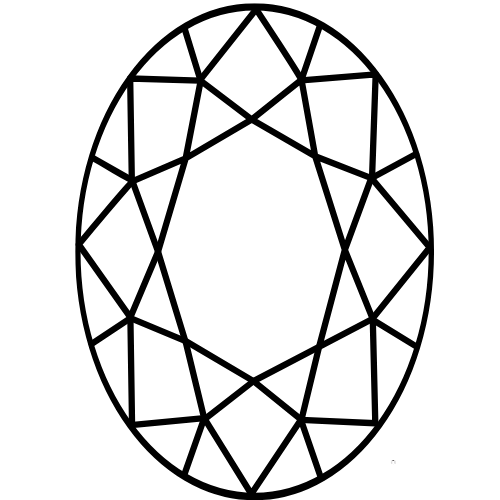 | 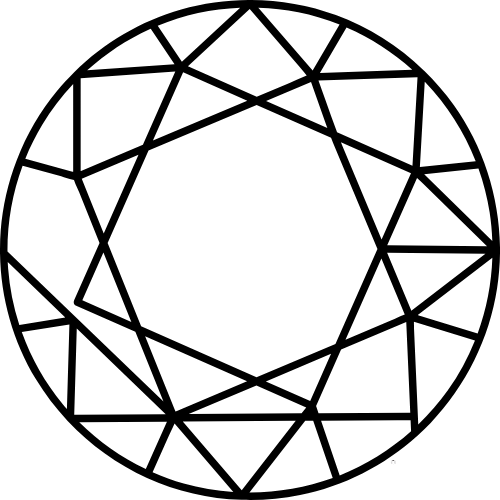 | 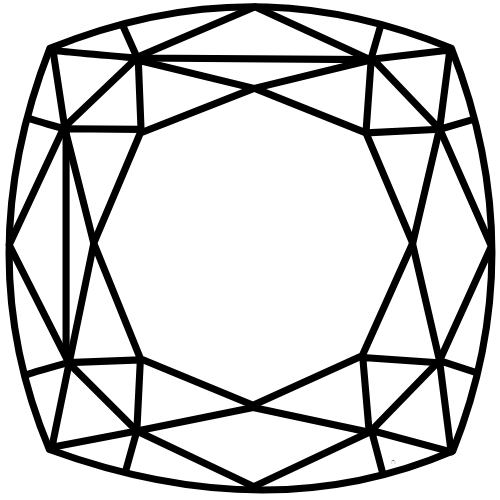 |
Choose Oval if: You prefer an elongating, elegant look with excellent sparkle and a modern feel.
Choose Round if: You want maximum brilliance and fire in a timeless, classic shape that suits every style.
Choose Cushion if: You love a romantic, vintage-inspired look with soft sparkle and timeless charm.
Frequently Asked Questions
Yes, oval diamonds typically appear larger than round diamonds of the same carat weight due to their elongated shape and greater surface area. The oval's length creates more visual presence, making it an excellent choice for those wanting maximum impact per carat.
The bow-tie effect is a dark shadow that can appear across the center of an oval diamond, resembling a bow tie. This occurs when light doesn't reflect properly through the center facets. A well-cut oval will have minimal to no bow-tie effect, which is why selecting from reputable sources with quality cutting is essential.
Yes, oval diamonds are typically 10-20% less expensive than round diamonds of comparable quality. This price difference exists because oval cutting results in less rough diamond waste compared to round cutting, making ovals an excellent value choice without sacrificing beauty.
Oval diamonds are versatile and work beautifully in many settings. Classic solitaires showcase their elegance, hidden halos add subtle sparkle, and east-west settings offer a modern twist. The best choice depends on your personal style and how you want the oval's elongated shape to be presented.
Focus on excellent cut quality to minimize bow-tie effect, choose a length-to-width ratio between 1.30-1.50 for classic proportions, and ensure the diamond appears bright and lively. VS1-VS2 clarity and G-H color grades offer excellent value while maintaining beauty.
Discover Our Oval Diamond Collection
Explore our stunning selection of oval diamond engagement rings, each designed to showcase the elongated elegance and brilliant sparkle that makes oval cuts so captivating.